Comfort
- 3* hotels (local standard) with twin or double rooms in Madaba and Petra.
- Camp is set up in a different location each night, carefully selected for the season and the beautiful landscape. There are two-person tents or if you wish you can sleep outside under the stars. Foam mattresses are provided but you need to bring your own sleeping bag. There are no showers or toilets, but a bucket of water can be provided to for you to wash - please note water supplies are limited in the desert!
Meals
In the desert meals are created over an open fire or small gas stove. The meals are typically Jordanian with western influences. Chicken and mutton are popular and there is often rice.
Mineral water is provided throughout the ride as well as tea, which is often served sweetened without milk, although you can ask for it to be less sweet. Alcohol is not provided and is not consumed by your guiding team but it is usually available in the hotels and so you can buy it if you wish. Bringing alcohol to the ride in the desert is not recommended for cultural reasons.
Climate
Jordan has a desert climate, with predominantly hot temperatures and little rain, but there are some seasonal and regional differences. Winter is short and usually December - February. At this time there can be rain and some cold winds. Temperatures can hover around 7c but there can be some pleasantly warm days too.
Petra:
Situated in the mountains, the winters can be cold - c. 14c during the day, dropping to zero at night. There have even been reports of snow in Petra. In Spring and Autumn the temperatures are more pleasant, with daytimes 24-27c and nights 10-12c. Summer can be very hot (35c).
Wadi Rum:
Winter can be cold, with daytime temperatures of 13-14c and nights of minus 1. Spring and Autumn temperatures are usually 24-27c during the day, dropping to 10-12c at night. The summers are very hot (40c) and there is no riding.
Aqaba:
Winters on the Red Sea coasts are particularly mild and the summers can climb to 40c.
Tips
It is customary to tip the local team and we would recommend c. £75-100 for the ride, but you must give what you feel is appropriate.
Packing list
Please pack carefully and sensibly: the following guide is here to give you an idea of what to bring. When packing, please use a soft sided case/bag which can easily be transported. Your luggage will be carried in a support vehicle, which will meet you at lunch and dinner/camping spots. Saddle bags are not provided on this ride but the saddle pads have pockets for you to carry small items such as a water bottle, camera and small sun cream. We recommend that you take a small bag for any bigger things you may need during the day (such as a book) so you can easily access them during the long lunch breaks.
Head
- Helmets are mandatory and not provided
- Sunhat for when not riding
- Sunglasses - with a cord attached so they don't fly off when riding
- Buff or bandana
Upper body
- Long sleeved shirts provide protection from the sun and dust
- T-shirts
- Fleece, jumper or jacket - the evenings can be cold
- Waterproof jacket - the rains can be difficult to foresee and it's better to be prepared. Layering is key to cope with the fluctuations in temperature between day and night
- Casual clothes for the evening
Legs
- Lightweight, comfortable riding trousers or jodhpurs - we recommend riding in them at home before taking them on holiday to ensure they don't rub
- Shorts for lazy lunchtimes
- Casual clothes for the evening
Hands and Feet
- Comfortable riding boots. We recommend short boots with half chaps as long chaps/long boots can get very hot.
- Sandals, flip-flops or trainers for moving around the camp
- Gloves - your hands are particularly exposed to the sun whilst riding
Nightwear
- Thermals are a good option for sleeping in, or a t-shirt and shorts for warmer nights
- A woolly hat when camping (desert nights can be cold)
- Sleeping bag - we recommend a comfort factor of 2-5c. We also recommend taking a silk or fleece liner for an extra layer
Other useful items
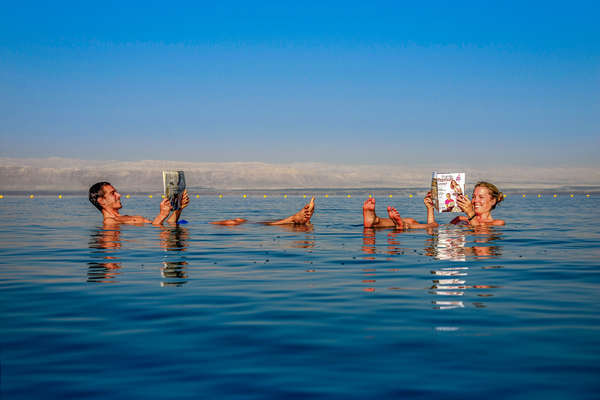
- Swimsuit for the Dead Sea
- Towel. Camping towels will pack lighter and dry more easily
- Water bottle(s) - max size 1 litre
- Hand sanitiser
- Wet wipes or washcloth
- Camera and high capacity memory card. Spare battery
- Bumbag for carrying your camera and small items whilst riding
- Headtorch or small torch for moving around camp at night
- Small plastic bags for taking rubbish away
Medical kit
- Sunscreen and lip balm - must be high factor
- Insect repellent
- Any medication you regularly take
- Blister plasters in case of any rubs
- Antiseptic cream, plasters, aspirin, anti-histamine, insect-bite salve etc...
- Rehydration sachets (dioralyte or similar)
- Spare prescription glasses/contact lenses
- Ear plugs, particularly if you are a light sleeper
Our Recommendations
- We recommend travelling in your riding boots and carrying your hat and some riding clothes in your hand luggage - then if your luggage goes astray you are still able to ride!
- Please print copies of your passport and insurance documents and take them with you.
- Backpacks should not be worn whilst riding.