African Explorer Safari 2 - Botswana untamed

The African Explorer 2 is a classic horseback safari combining two iconic riding areas: Horizon reserve in South Africa’s Waterberg for 3 nights, and Botswana’s wild, untouched Mashatu Game Reserve for 4 nights - so spending more time in Botswana than the classic African Explorer safari. Ideal as an introduction to riding safaris in Africa, the safari begins among non-dangerous game before progressing to unforgettable encounters on horseback with elephant, plains game, and possibly hyena, lion, cheetah and leopard. Outstanding horses, expert guides and warm hospitality in atmospheric camps complete this memorable African adventure.
Book now Print the details for this ride
Horseback Safari
10 days / 7 riding
From £2,995
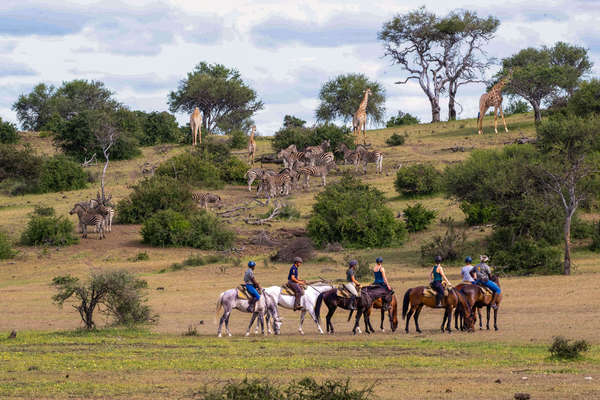
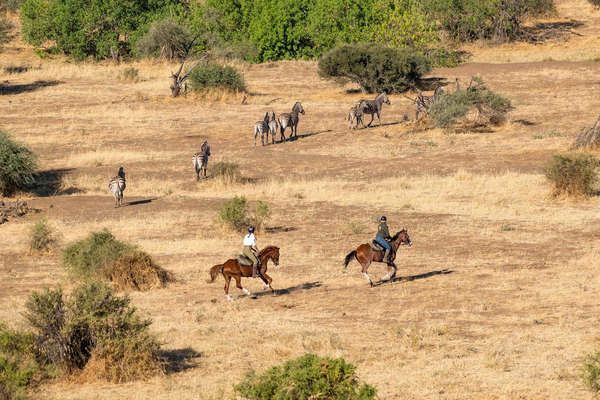
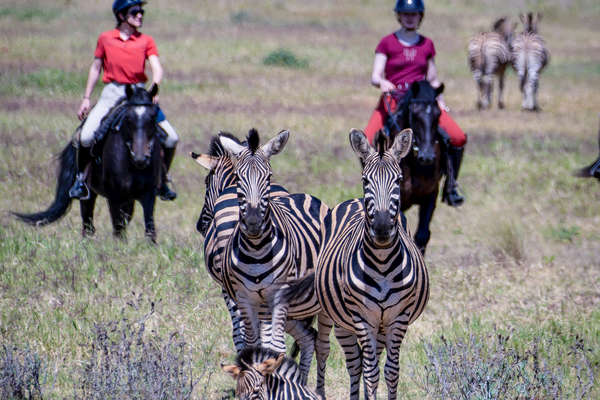
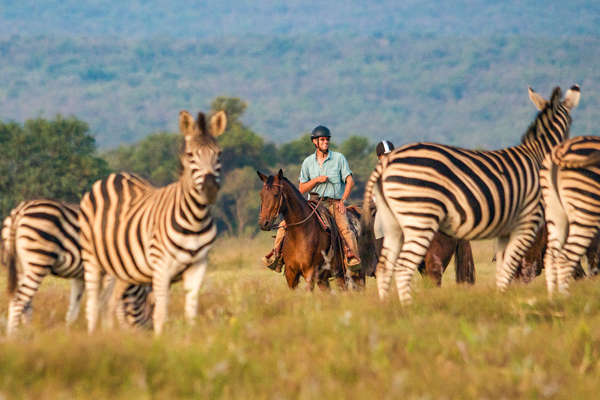
  • Rider watching zebra from horseback on safari
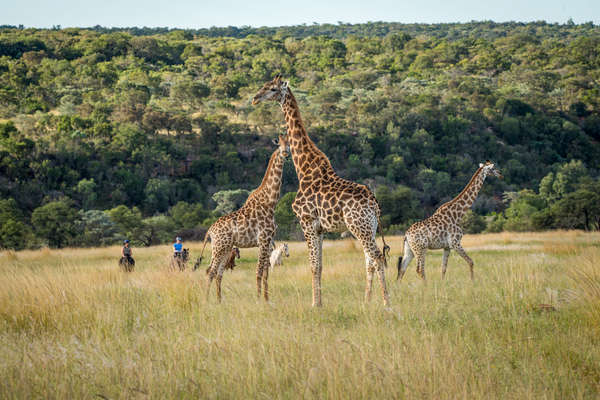
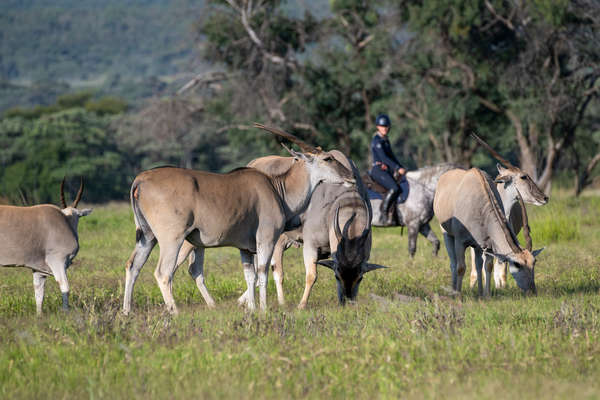
    Enjoy riding with plains game in South Africa
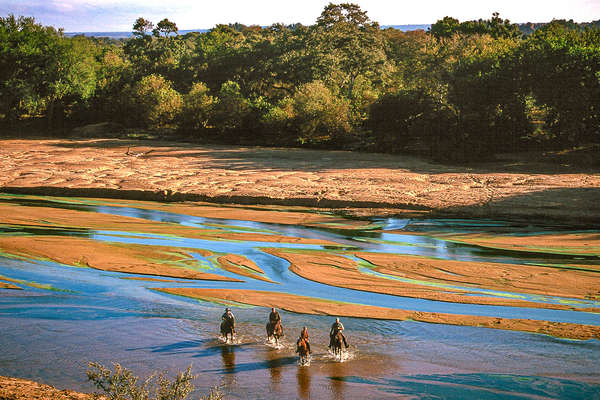
  • Riding into the Limpopo river, Botswana
    The African Explorer safari, South Africa and Botswana
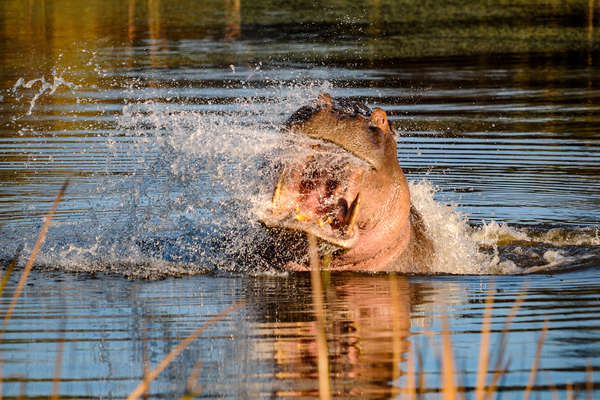
  • Hippo in the Horizon Horseback lake
    Beware of the hippo!
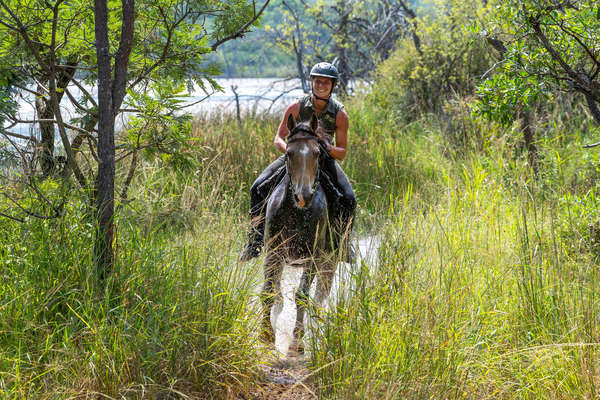
  • Riders riding into the Horizon lake, South Africa
    An exciting riding holiday for experienced riders
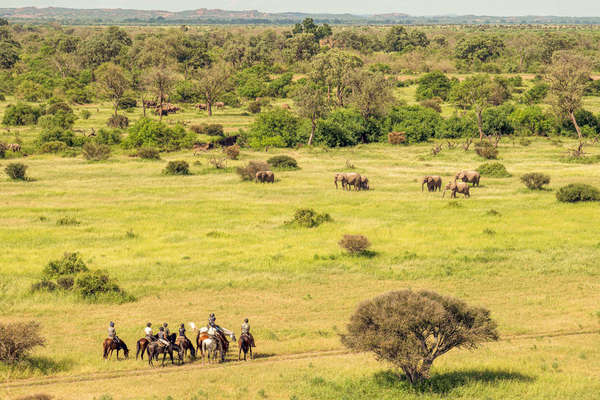
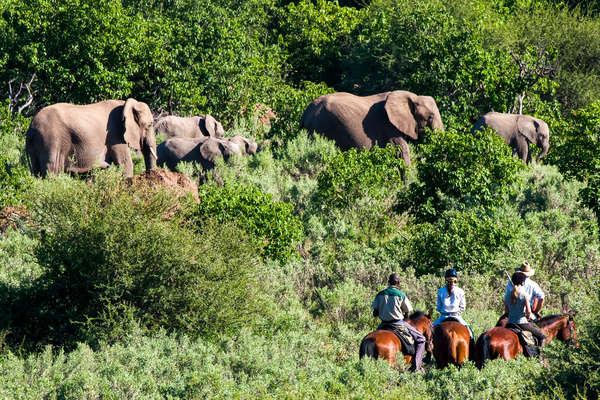
  • Riding with elephant in Botswana, African Explorer
    Mashatu in Botswana is known for its herds of elephants
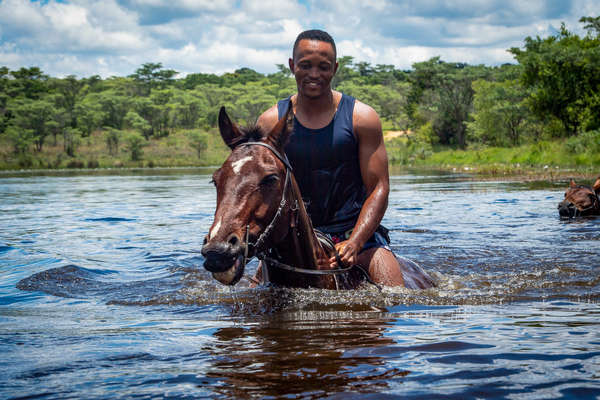
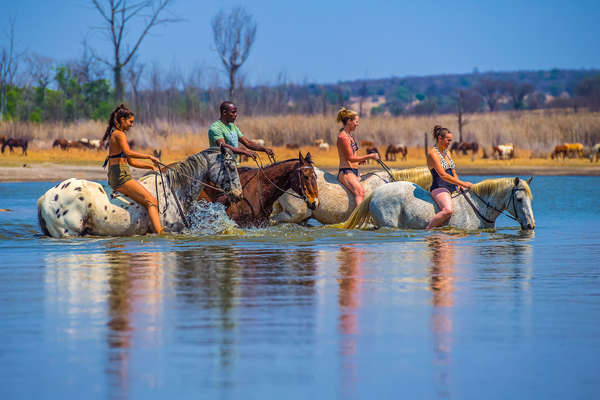
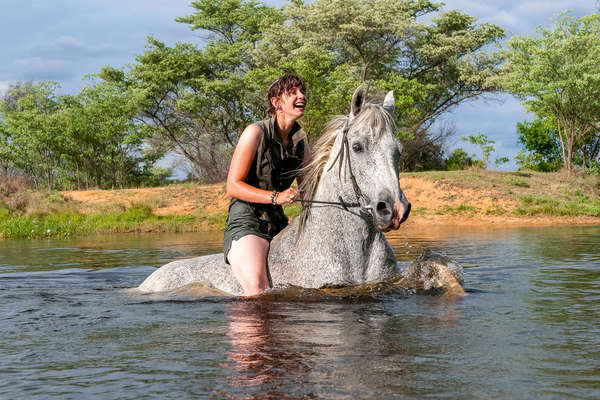
  • Swimming in the Horizon Lake, South Africa
    Swimming with the horses in South Africa

Itinerary

Highlights

- A horseback safari which offers riding in two different countries and environments - the Waterberg in South Africa and the Tuli block in eastern Botswana, with a focus on the Botswana part - offering more oportunities for big game sightings.

- Ideal introduction to riding safaris in Africa, from non-dangerous game to thrilling encounters with elephant, lion, cheetah and leopard (if lucky!).

- Botswana offers a vast, unfenced wilderness and the chance to ride with big game such as elephant, lion and leopard

- Exceptional horses selected for their temperament and ridability.

- High standard of camping with proper beds and en-suite showers and toilets, with a great variety of camps and lodges.
  • Day 1 1 : EUROPE - JOHANNESBURG

    International flight overnight to Johannesburg - Flights are not included but we can assist with this on request. You should arrive in the morning of Day 2 (see "dates and prices" for transfer times)

  • Day 2 2 : JOHANNESBURG - CAMP DAVIDSON - 2hrs riding

    Camp Davidson
    On arrival at Camp Davidson, there should be time to explore the surroundings and meet your guides before enjoying a late lunch.

    The first ride is a gentle introduction to the reserve and an excellent opportunity for first encounters with species such as zebra, giraffe, wildebeest and kudu. The riding ranges from purposeful walking to easy cantering along sandy tracks and culminates with sundowner drinks on the open plains.


  • Day 3 3 : CAMP DAVIDSON - 4-5 hrs riding

    Camp Davidson
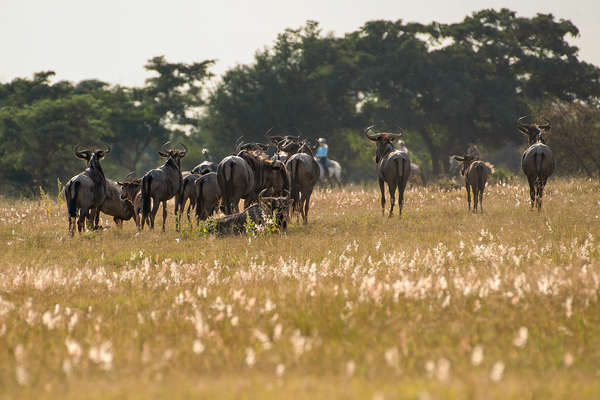
    The ride this morning is generally quite fast. The route follows the centre of an open valley which is home to species such as sable, reedbuck, red hartebeest, waterbuck and impala. The sandy tracks make for excellent going, and the route crosses open grassland and weaves through dense woodland.

    Dark red pedigree cattle bred on the property are often encountered on this route. When conditions are suitable, the last stretch of the ride involves splashy canters along the edge of the lake adjacent to the main Lodge. This is a great experience, but don’t expect to remain dry in the process! Also take the opportunity to swim your horse en route back to camp.

    The afternoon ride follows past a series of dams where encounters with hippo are likely and returns across the open plains. At this time of day there is often much activity on the plains, with the herds mingling in the soft sunlight and different groups coming and going as they prepare for the night. It is a truly magical experience to be able to ride so close to these wild animals, which have become completely relaxed in the presence of the horses.
  • Day 4 4 : BELLEVUE PLAINS - 4-5 hrs riding

    Savannah Plains Lodge
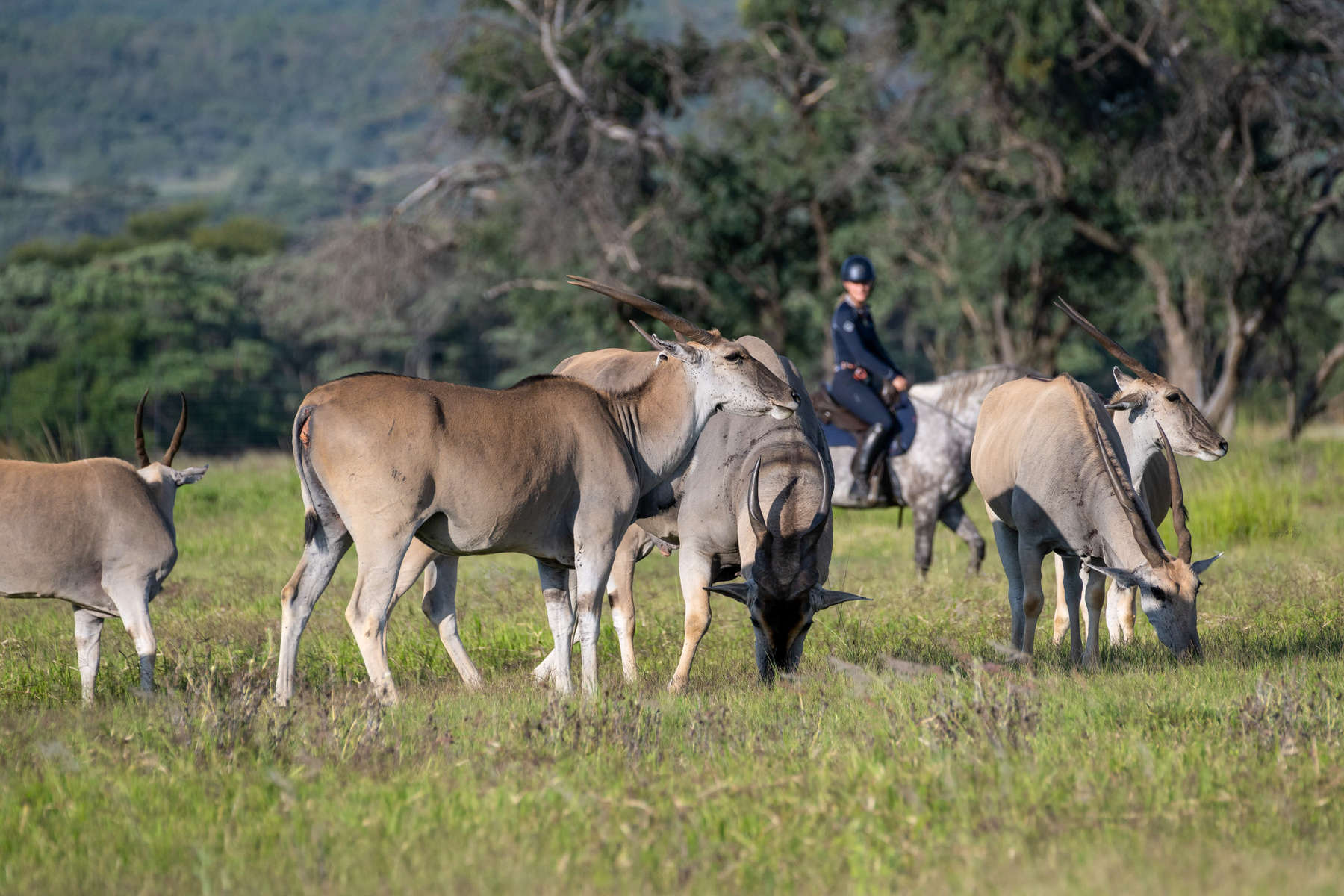
    An early start is needed for the long ride from Camp Davidson to either Savannah Lodge in the far southwest of the reserve, or Seringa Lodge in the southeast. The first part of the route covers country that riders will now be somewhat familiar with, but soon enters new terrain. In places the bush is thick but after a while the scenery opens to grasslands with sweeping views to the south and west. Riding through this landscape gives riders a sense of the vastness of the African plains. The area boasts a very high concentration of game with herds of over 300 blesbuck, or 80 eland, often sighted. Other species which are home to the plains include red hartebeest, tsessebe and ostrich. There are plentiful zebra, wildebeest, impala and giraffe, and smaller groups of sable, roan and waterbuck. The final stretch to Savannah Lodge is along a wooded stream where kudu and bushbuck are likely to be seen.

    After a relaxing time around the pool and within the sophisticated lodges, it is time to ride to the southern most areas of the reserve in search of Cape buffalo. These are members of Africa’s famous “big five” and deserve their formidable reputation. Riders therefore need to be alert and responsive to the guides’ instructions. This area is known for its spectacular sunsets as the sun sets over the distant headlands of the Waterberg escarpment: a fitting end to an eventful and memorable day in the African wilderness.
  • Day 5 5 : Transfer to Botswana / Treehouse Camp - 3-4 hrs riding

    Tree Camp Mashatu
    After an early start, another long ride through game rich country returns riders to the main lodge. The route taken is different from that taken on the outward leg, turning this part of the safari into an exciting journey passing through diverse landscapes and ecosystems. Game species typically prefer different habitats, with nyala and bushbuck for instance occupying dense forest-like sections of the reserve while blesbuck and hartebeest stick to the open plains, and waterbuck and reedbuck, unsurprisingly, are normally seen close to streams and other waterways. The route provides excellent opportunities to see giraffe, which is always a highlight.

    Transfer to Botswana by light aircraft transfer.

    Having crossed the mighty Limpopo River, guests are received at the Mashatu Stables where they will enjoy a light lunch, receive a safety briefing, and meet their horses. The route this afternoon is from the Stables to Tree Camp. The route typically yields rich encounters with elephant, waterbuck, giraffe, impala, wildebeest and zebra. Signs of the many predators that make these rich riverine environments their home are bountiful, and chance encounters possible. The ride typically takes about two hours, and riders start to form a true bond with their individual mounts. The trappings of modern living begin to fall away as the sense of adventure and journey deepens. Tree Camp is a truly beautiful place where one is enveloped by the exceptional qualities of Africa’s wilderness areas.
  • Day 6 6 : Treehouse Camp to The Kgotla - 4-5 hrs riding

    Kgotla camp
    After a quick breakfast, riders set off on the journey’s first long ride – up onto the edge of the mini escarpment and then down, through the Valley of the Elephants and on towards the distant sandstone citadels guarding the Limpopo and Motloutse Rivers.

    The first part of the journey is not to be hurried, as the horses wind along well worn elephant paths, past giant baobabs and the occasional shallow watering pan. Soon, however, the country opens up and the horses can start to stretch their legs along soft ground leading to the headwaters of a stream flowing off the ridge and down towards the Limpopo. This is prime elephant country and the guides are always on the lookout, using all their sharpened senses. Once the path leaves the river, the terrain is once again more open and the pace faster.
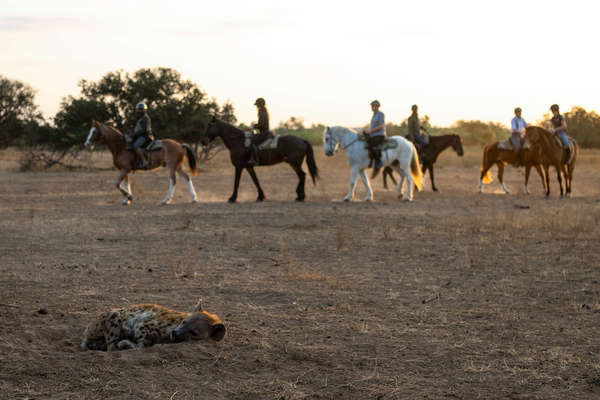
    The route then follows the road for a short while before heading across flat country towards the intriguing Sacred Rock massif. Here the mopane vegetation is short, and it is safe to ride quite fast across the plain. Large herds of zebra, wildebeest and impala inhabit this area. The guides plot their route using individual mashatu, leadwood and apple-leaf trees as their markers. Soon riders reach the old leadwood enclosure (used in the past as a traditional law court of a Botswana village) known as the ‘Kgotla’. This open-air enclosure forms the perfect, secure camp for the night. The camp is not far from the banks of the Motloutse River and, with high concentrations of game living along the river’s fertile floodplain, the area is home to large prides of lion and clans of hyena. The sounds of these predators at night provide enduring memories! In the afternoon, we search for the area’s resident lion on a game drive and draw the day’s adventures to a close with sundowners at the ancient “Amphitheatre” rocks. Whilst big cat sightings from horseback occasionally happen, Horizon Horseback follows a ride away policy. The best opportunities to approach lion, cheetah, leopard, and spotted hyena occur whilst on game drives where the vehicle acts as a natural hide and is largely ignored by the predators.

    Back at the Kgotla, dinner is enjoyed around a large fire. The night is spent with a ceiling of stars and Africa’s night-time melody to sing you to sleep; a rare experience which is just about as far away from city life and the modern world as anyone can imagine.
  • Day 7 7 : MASHATU RESERVE - 4-5 hrs riding

    Kgotla camp
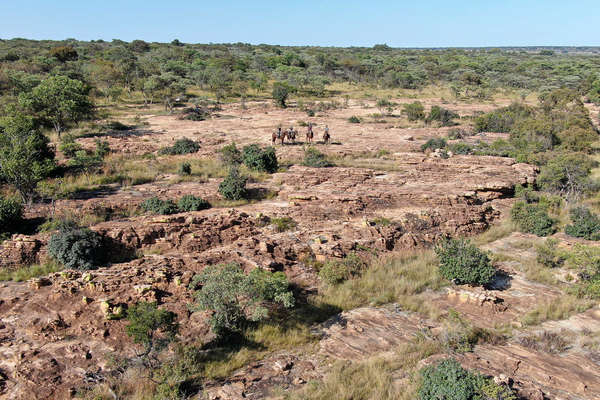
    The riding this day is more relaxed and tailored to the group, since a different camp does not need to be reached by nightfall. A particularly interesting route to follow is first along the Motloutse River, stopping at well-known elephant drinking holes to watch the herds come and go before winding down towards the impressive Solomon’s Wall, a tall dolomite dyke which was breached by the river in ancient times. This is the favourite haunt of troops of baboon, which are always fascinating to watch. The trail then follows the banks of the river, flanked by giant mashatu and leadwood trees, towards the mighty Limpopo. This area is renowned for its dramatic sandstone rock formations, steeped in colour and home to eland, klipspringer and kudu.

    Some of the oldest civilizations in southern Africa settled in this valley. Archaeological evidence in the area includes middle and late stone age tools, rock art and the legendary Mapungubwe Dynasty. Mapungubwe means “Place of the Jackal” in the Venda language and this dynasty existed around 1220 AD. The Mapungubwe topography itself is ancient and timeless and, combined with marvelous wildlife sightings, makes for an incredible riding experience.

    The game drive in the afternoon takes guests to the foot of the impressive Mamagwa massif, a free-standing formation which was used by British troops as a defensive position against incursions from the Transvaal Boers at the end of the 19th century. Sundowners are traditionally taken at the far western edge of the massif, with endless views over the wilderness landscape whilst watching the sun slowly slip over the horizon. The drive back to Kgotla in the dark provides more excellent opportunities to spot lion, leopard, and hyena.

  • Day 8 8 : MASHATU RESERVE - 4-5 hrs riding

    Tree Camp Mashatu
    On this day the journey turns northeast and follows a series of river trails on the way back to the centre of the reserve. Life in this arid environment is always concentrated near water, and the ride promises sightings of elephant, zebra, giraffe and wildebeest. The route crosses the watershed and then winds along ancient paths adjacent to a stream flowing north towards the Majali River. At these elevated heights, the sweeping views to the north reveal the true wilderness character of Mashatu Game Reserve. The remainder of the day’s riding is a mixture of elephant trail trekking and canters across relatively open mopane veld. The final stretch is along the Majali River itself, past rocky pools, cliff faces and ribbons of green grass. Encounters with baboon, kudu, klipspringers and crocodile are likely. Tree Camp is finally reached after 4-5 hours of riding.

    That afternoon guests leave their horses to a well-earned rest and will go either on a guided bush walk or, if the group chooses, a game drive with Mashatu Main Camp guides. This opportunity, while provided at an extra cost, should not be missed as the near guaranteed sightings of lion and leopard, and sometimes of cheetah, are legendary. The guides are very knowledgeable about the structure and whereabouts of the various prides and individuals, and failure to find them is very rare indeed.
  • Day 9 9 : MASHATU RESERVE - JOHANNESBURG - 2 hours riding

    After a quick breakfast, riders set off on the final ride of the safari. This ride offers sweeping views to the east and south, bathed in early morning light, as it traverses along the edge of a ridge near the centre of the reserve. The path then descends to a game rich area along the Majali River. The deep river pools are the favourite haunt of baboon and impala. Sooner or later the great herds of elephant come past for their daily drink, to play in the water and enjoy a dust bath.

    The final part of the ride is across open plains with some fast canters to the Stables. Other notable sightings include Kori Bustard, the largest flying birds in Africa, bat eared foxes and ostrich.

    Once at the Stables it time for a shower and meal on the banks of the great river, and then a short journey to the Limpopo Valley Airfield for the flight to Johannesburg in South Africa - see dates and prices for transfer times.
  • Day 10 10 : ARRIVE HOME

    Arrival back home.

Dates & prices

Price details

- Prices do not include international flights to Johannesburg but we can assist with this on request. Please make sure that you arrive before 9:30 am on day 2 to meet the transfer vehicle, and depart after 20:00 on the final day of safari (day 9). Flight times outside of these guidelines may require a private transfer at an extra cost. Please try to arrive as early as possible as immigration queues at JNB airport can be long, and if you are delayed, you may have to pay for a private transfer.

- Rates are per person, based on two riders sharing a twin or double room/tent.

- The usual group size is a minimum of 2 and a maximum of 8 riders.

- Group transfers are an additional cost:
> In 2026: £875/$1170/€1000 (road transfers from Johannesburg to Camp Davidson; light aircraft transfer from South Africa to Botswana and light aircraft transfer from Limpopo to Johannesburg).
Please note: if for any reason, for example lack of guests or weather warnings, we are unable to fly to Botswana or back to Johannesburg there will be a shared road transfer provided instead.

- All Mashatu visitors are subject to a conservation levy of $20 per person per night payable on site. This is $80 per person for the African Explorer 2 as only 4 nights are spent in Botswana.

- The African Explorer does not include a game drive but also includes the option of the Game Drive with Mashatu at $87 pp subject to availability.

- There is no single supplement if you are willing to share a tent with another rider of the same sex. To guarantee your own tent there is a single supplement of 50%.
On certain weeks a single tent is available on a first-come, first-served basis at no extra cost. Please contact us for details.

- Younger rides aged 12+ yo can be accommodated on this ride on request and provided they match the riding requirements.
Please Note
The itinerary may be modified at anytime for security reasons, meteorological or events beyond our control such as blocked roads, rivers in flood, drought, strikes and local holidays. Equus Journeys, our local partners and their local guides will always strive to find the best solution and will alter the itinerary as needed.
The names of the hotels and accommodation are given for information only and depending on availability, they may be modified without notice and replaced by another of a similar standard.

Price includes

Support Team

2 English-speaking horse guides

Logistic

1 horse equipped with saddle and bridle
A full horse stable team
Lodge team

Accommodation

Camping in 2 man tents with beds, comfortable mattresses and sheets provided

Meals

Full board from lunch on D2 to brunch on D9
Snacks and beverages (including wine and alcoholic beverages)

Price doesn't include

Transport

Transfer from the airport (return) and transfers from Horizon to Limpopo. See 'Price Details' for more information
International flights

Extra

Tips to local team.

Extras

Conservation fees (see "dates and prices")
Additional game drives in central Mashatu (see dates and prices)

Insurance

Cancellation and travel insurance are not included in the above listed price. Please note that insurance is mandatory. We recommend taking out an insurance policy as soon as your trip is booked to cover you in case of cancellation

Optional

Accommodation

Single room supplement

Transport

Airport transfers at a different arrival and departure time to those stipulated in 'Price Details'
  • Departure Return Price without flights Status
    23/02/2026 04/03/2026 £3,846 €4,384 $4,961
    Open
    Book now
  • Departure Return Price without flights Status
    16/03/2026 25/03/2026 £3,846 €4,384 $4,961
    Open
    Book now
    30/03/2026 08/04/2026 £3,846 €4,384 $4,961
    Open
    Book now
    20/04/2026 29/04/2026 £3,846 €4,384 $4,961
    Open
    Book now
  • Departure Return Price without flights Status
    04/05/2026 13/05/2026 £3,846 €4,384 $4,961
    Open
    Book now
    11/05/2026 20/05/2026 £3,846 €4,384 $4,961
    Open
    Book now
    25/05/2026 03/06/2026 £3,846 €4,384 $4,961
    Open
    Book now
    08/06/2026 17/06/2026 £3,846 €4,384 $4,961
    Open
    Book now
    22/06/2026 01/07/2026 £3,846 €4,384 $4,961
    Open
    Book now
  • Departure Return Price without flights Status
    06/07/2026 15/07/2026 £3,846 €4,384 $4,961
    Open
    Book now
    20/07/2026 29/07/2026 £3,846 €4,384 $4,961
    Open
    Book now
    03/08/2026 12/08/2026 £3,846 €4,384 $4,961
    Open
    Book now
    17/08/2026 26/08/2026 £3,846 €4,384 $4,961
    Open
    Book now
    31/08/2026 09/09/2026 £3,846 €4,384 $4,961
    Open
    Book now
  • Departure Return Price without flights Status
    14/09/2026 23/09/2026 £3,846 €4,384 $4,961
    Open
    Book now
    28/09/2026 07/10/2026 £3,846 €4,384 $4,961
    Open
    Book now
    12/10/2026 21/10/2026 £3,846 €4,384 $4,961
    Open
    Book now
    26/10/2026 04/11/2026 £3,846 €4,384 $4,961
    Open
    Book now
  • Departure Return Price without flights Status
    09/11/2026 18/11/2026 £3,846 €4,384 $4,961
    Open
    Book now
    23/11/2026 02/12/2026 £3,846 €4,384 $4,961
    Open
    Book now
    07/12/2026 16/12/2026 £2,995 €3,414 $3,864
    Open
    Book now
    21/12/2026 30/12/2026 £2,995 €3,414 $3,864
    Open
    Book now

Equestrian info

Horses

Good selection of horses (110 in South Africa, 70 in Botswana) : Thoroughbreds, Arabs, Boerperds, Welsh ponies and various crossbreeds. They are forward going, well schooled and acclimatised to the game.

Guide & local team

You will be guided by two guides - a lead guide and a back up guide. In Botswana one guide will carry a rifle, but this isn't necessary in South Africa.

Minimum riding ability

Minimum riding ability

You need to be a competent rider, capable and in control at all paces. You must be able to rise to the trot and gallop in a forward seat. Due to the presence of dangerous game it is important that you can stay on your horse if you need to react quickly and gallop out of danger. You may also be required to jump small obstacles such as branches dislodged by elephants.

The riding in South Africa is very safe, as the Waterberg is home to non-dangerous game such as zebra and giraffe. In Botswana, you are riding in an area of dangerous game (Mashatu is famous for its elephants). It is therefore of utmost importance that you are a confident rider, and secure in the saddle. Please note that there will be a short assessment ride on your arrival at Two Mashatu Camp in Botswana. The guides in South Africa will be able to assess your riding skills and will advise on your suitability to ride in Botswana. Should they deem you not able to ride in Botswana you will be given the choice of going to Botswana as a non-rider or if space allows you can stay at the South African lodge for the three days and carry on with the safari riding.

For this ride, there is a maximum rider weight of 85 kilos, 187 lbs, 13.3 st. If you weigh more than this, please contact us and we will advise on a case-by-case basis.

Pace

Whilst game viewing you will be walking so as not to startle the animals, but there are plenty of opportunities for long trots and canters. In South Africa these are usually on long sandy tracks, but in Botswana it is likely that you will canter behind your guide on wiggly routes through the bush.

Tacking ability and participation

A team of grooms will feed, care for and saddle your horses. You can help with untacking if you wish, but this is not expected.

Trip conditions and Requested experience

You need to be physically fit for the long hours in the saddle in the African sun.

Guests who do not ride regularly are requested to get fit prior to the ride. It is of particular importance to ensure you are comfortable and balanced when riding at speed across rough terrain and open spaces. If the guides feel that you are unsafe on horseback, then you will be offered non-riding activities in Botswana. The riding in South Africa is less strenuous.

Equestrian equipment

Water bottles are provided on all saddles. Some small saddle bags are available for carrying small items such as suncream.

Helmets are compulsory. You should bring your own to ensure a proper fit.

Travel info

Comfort

South Africa :
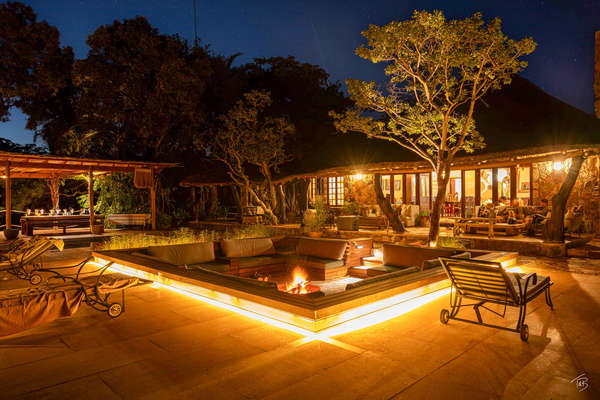
- Camp Davidson has recently been built high in the bushveld above the Matlapeng valley. The camp commands a wonderful panoramic view of the central highlands of the Waterberg massif, whilst overlooking the picturesque Sunset Lake on the eastern boundary of Horizon's Triple B Ranch. Camp Davidson has the atmosphere of early settlers, with beautiful decked canvas tents nestled amongst the sandstone ridges overlooking grassy game-filled valleys. Each A-frame tent has proper beds and an en-suite flushing toilet and bucket shower. Meals are taken around the fire or on a beautiful deck overlooking the valley. There is a small refreshing pool.
- The Savannah Lodge (Bellevue Lodge) is a beautiful, intimate lodge at the heart of a private reserve, a full-day ride away from Camp Davidson. No Wifi.

Botswana :
- Tree Camp: This tree house is located high in the branches of a Mashatu tree in the heart of the Mashatu game reserve.
There are several well-appointed safari tents with open sides (see pictures). Mosquito nets are available. Two functional bathrooms with running water are shared between all riders. No wifi, no electricity except for one charging point.
- Kgotla camp: the Kgotla is an old tribal court from a nearby community that was relocated to the banks of the Motloutse River on the western periphery of Mashatu. The boma is an open-air traditional African enclosure made up of leadwood logs. There is hot running water, beautiful open-air showers and flushing toilets; the perfect combination of necessary comforts and an authentic bush experience. Guests sleep on beds around a large log fire which sits on a hearth in the centre of the boma.

Laundry service is offered once in the week in South Africa but not in Botswana, you will need to have enough clothing to last 4 days.

Note: Power cuts are frequent in South Africa and we recommend all guests bring a high lumen torch or head torch.

Meals

Breakfast is usually taken very early (before dawn) and is therefore light, consisting of cereals, fruit and rusks with tea or coffee.
Lunch is also light and may be quiche and salad or a variety of salads with cold meats.
Afternoon tea with a selection of drinks and freshly baked cakes.
Dinner is three courses. Wine is served with the meals and a selection of drinks are available.

Vegetarians and special diets can be catered for with advance notice

Climate

The seasons are the reverse of the UK, with winter (June - Sept) being dry with no rain and clear skies. Daytime temperatures are pleasant and the nights are cool.
Summer (Nov - March) is hot and there is the chance of dramatic thunderstorms.
It is generally hotter and drier in Botswana than in South Africa, and the altitude in the Waterberg makes the temperatures particularly pleasant, even in summer.

Tips

We recommend tipping c. GBP 10-15 per day which can be split between all members of the team. You should tip the South African team separately to the Botswanan team. A separate guide will take you on a game drive and will appreciate a small tip. Tips can be paid in South African Rands, GBP or Euros.

If you wish to tip your guide in addition then you can do this separately.

Packing list

Our Recommendations
Please note: in the case of a light aircraft transfer, remember that planes don't necessarily have a separate luggage compartment, and carry-on regulations may apply. The weight limit is 18 kg and 5 kg for your carry-on. Remember that safari camps provide shampoo and soap, as well as alcohol, so make sure to pack accordingly. Please remember soft bags only are accepted, hard-sided luggage will not be accepted on the plane. Luggage type and weight:
- Maximum luggage weight is 18 kg/35 lbs, 40 cm x 30 cm x 60 cm (Soft luggage/duffle with 1 flat side only, and no protruding wheels).
- Hand luggage is 5 kg/11 lbs (1 soft piece)
- You can also have your “ladies” handbag with you - but please limit the size and do not try to squash extra clothing/equipment inside them. The charter planes are much smaller than normal planes and thus have limited space.
- Power banks = only 1 per person and must be carried with you on your person and not be in any of your bags. This way any overheating Lithium ion batteries/powerbanks will be immediately identified and disposed of to avoid an inflight fire – this is a safety aspect.
- Riding helmets can be carried on the flight with you

Please limit the size of them and not try to squash extra clothing/equipment inside them. The charter planes are much smaller than normal planes and thus have limited space.
Should your luggage exceed these limitations, you will not be able to load it.

The planes don't necessarily have a separate luggage compartments, and carry-on regulations may apply. Remember that safari camps provide shampoo and soap, as well as alcohol, so make sure to pack accordingly.
Liquid Restrictions:
Perfume- 50ml
Eau de Toilette – (250 ml)
Non-flammable and Non-alcoholic liquids – 500ml per container. A combined total of no more than 2l in checked bags.
Pocket knifes/Leatherman’s and other sharp objects:
These need to be packed into passengers checked bags and will not be allowed in carry-on bags.

- Please don't take a hard sided suitcase. Your luggage should be soft sided and we recommend travelling light as your luggage may have to be moved between camps.
- Wherever possible you should wear neutral colours, such as beige, brown or natural bush colours for riding as bright colours, such as red, yellow or white can startle the wildlife and they will see you long before you've seen them
- We recommend travelling in your riding boots and carrying your hat and some riding clothes in your hand luggage - then if your luggage goes astray you are still able to ride!

Head
- Riding helmet
- Sunhat for when not riding
- Sunglasses - with a cord attached so they don't fly off when riding
- Buff or bandana

Upper body
- Long sleeved shirts provide protection from the sun and thorns
- T-shirts
- Fleece, jumper or jacket - the evenings can be cold, particularly June - August
- Waterproof jacket - the rains can be difficult to foresee and it's better to be prepared. Rain is more likely Oct-April
- Casual clothes for the evening

Legs
- Lightweight, comfortable riding trousers or jodhpurs - we recommend riding in them at home before taking them on holiday to ensure they don't rub
- Shorts for lazy lunchtimes
- Casual clothes for the evening

Hands and Feet
- Comfortable riding boots. We recommend short boots with half chaps but you may wish to take long chaps to protect against thorns. We don't recommend taking your favourite long leather boots in case they get damaged.
- Sandals, flip-flops or trainers for moving around the lodge and camp
- Gloves

Nightwear

Other useful items
- Swimsuit - for plunge pools
- Binoculars for viewing game
- Camera and high capacity memory card. Spare battery
- Bumbag for carrying your camera and small items whilst riding
- Headtorch or small torch for moving around camp at night. Note: Power cuts are frequent in South Africa and we recommend all guests bring a high lumen torch or head torch.

In your luggage
- Any liquids, such as shampoo, moisturiser, deodorant unless they are less than 100ml and all bottles can fit in a small, clear, plastic ziplock bag. Some toiletries are provided by the camp so you can pack lighter.

In your hand luggage
- Any valuables, such as your camera, ipod, ipad etc.
- Your riding hat

Medical kit
- Sunscreen and lip balm - must be high factor
- Insect repellent, preferably containing deet
- Any medication you regularly take
- Blister plasters in case of any rubs
- Antiseptic cream, plasters, aspirin, anti-histamine, insect-bite salve etc...
- Spare prescription glasses/contact lenses
- Anti malarial tablets and Yellow Fever Certificate if required (check with your doctor)

Sustainable tourism

  1. Travel light. It's a little known fact, but the lighter you pack, the better for the environment as heavy bags will produce higher emissions (when flying a plane or driving a car!).
  2. Reduce plastic waste. Take your favorite reusable bottle with you. Avoid single-use bags, cups, or straws.
  3. Preserve nature. Always take your rubbish with you during the ride and recycle them. Leave all the flowers or plants as you found them, and never get too close when observing wildlife. Make sure to use eco-friendly products such as body wash or laundry detergent (if camping) to protect both your skin and the environment.
  4. Choose your experiences carefully. Respect animal life by not participating in any activities that abuse wild animals (shows, elephant rides, etc.).
  5. Support local populations. Buy local handicrafts, be respectful of customs, and learn about the culture of local communities.
  6. Share! Raise awareness among your family and friends about sustainable tourism.

For more information please see this page.