Comfort
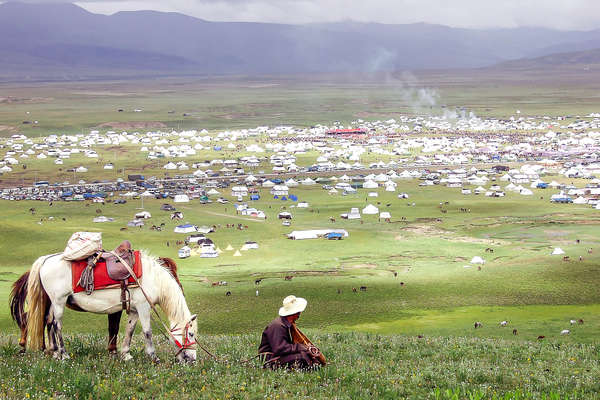
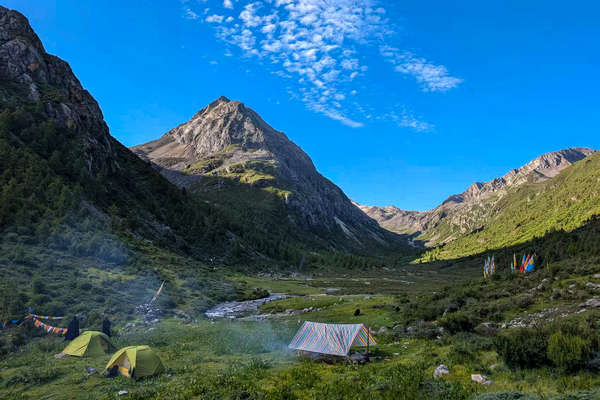
You will spend the first and last nights at a hotel in Chengdu. During the ride, accommodation varies. You will spend 1 night in a hot springs guesthouse, 3 nights at an ecolodge, 1 night at a nunnery (staying in huts) and 6 nights camping in tents (with an option to spend 1 of these nights with nomads in their yurts).
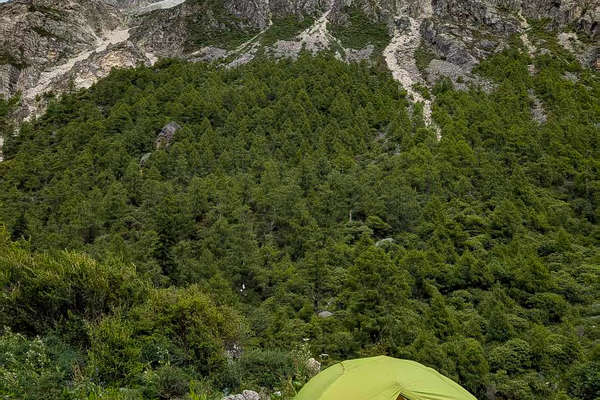
For camping nights, basic foam mattresses are provided but if you’d like a blow-up mattress please bring your own. Sleeping bags are available to rent for $40 but should be booked in advance. (Please note that the team has very warm, -30 C sleeping bags. A comfort rating of at least -10 C is needed for this ride). During the ride and when camping, you may wash with running water or in rivers. Please note that you will be exploring some very remote parts of the country, and except for the nights at the hot springs guesthouse, the ecolodge and the hotel in Chengdu, there are no toilets or washing facilities. There will be a Tibetan style dining tent where meals are taken as a group.
Meals
The meals are predominantly Chinese and Tibetan. The base is rice, accompanied by vegetable and meat dishes - with some spices and hot peppers. Meals are essentially savoury and there is no dessert, so we recommend that sweet lovers bring their own supply of biscuits!
During the trail:
Breakfast: coffee, tea, box milk, bread, jam, eggs and ham.
Lunch: Light picnic (sandwiches, cheese, bread, sausage, yoghurt).
Dinner: Rice, vegetables, meat - fragrant Chinese and Tibetan cuisine.
In towns and villages you will eat at local restaurants.
Water:
Take care not to drink water from unknown sources. Swiss-quality water filtration is provided on the trail. Hot water and tea is also available with every meal. In restaurants, it may be possible to buy beer or fizzy drinks.
Climate
Rides are run during the summer season (June to September) when daytime temperatures are warm but the evenings and mornings can be cold. July and August are the hottest months with minimum and maximum temperatures of 10 and 25c on the ride. Temperatures at altitude can be even cooler and the mountains are the perfect place to escape the summer heat.
Tips
If you are happy with the service that you receive from the local team then you may wish to leave a tip. To remain consistent with the standard of living in China we recommend a tip of c. £50-80 per rider which can be distributed amongst all of the staff.
Packing list
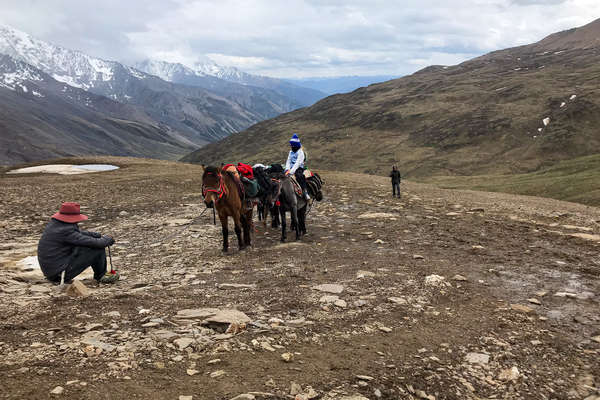
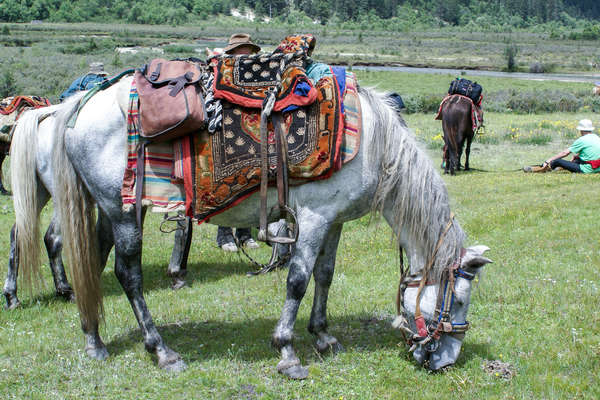
Please pack carefully and sensibly: the following guide is here to give you an idea of what to bring. There is no support vehicle on this ride - all luggage and camping equipment is carried by yaks. Please bring a soft-sided waterproof duffel or dry bag, and note that your luggage for the trail should weigh no more than 15-17kg (excluding a sleeping bag which will be tied to your saddle). You can also take rain gear and a few items in your saddle bags, such as a fleece, warm gloves, water and some snacks (please just check with us about saddle bag availability, as you may need to bring your own).
If you have additional luggage, you may leave it at the ecolodge or at the hotel in Chengdu.
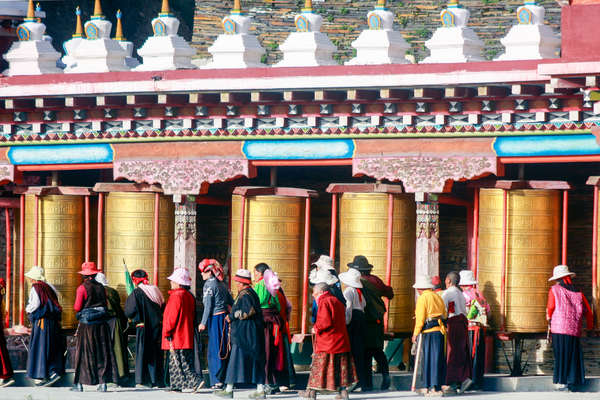
When packing, please also bear in mind local religious and traditional cultures, there is no need to cover shoulders but we recommend wearing trousers (instead of shorts) at camps.
Head
- Riding helmet - Equus Journeys highly recommends that our riders wear a helmet – you should bring your own to ensure a proper fit
- Sunhat
- Sunglasses - with a cord attached so they don't fly off when riding
- Buff or bandana
- Warm hat for cold nights
Upper body
- Thermals (long or short sleeved)
- Long sleeved shirts provide protection from the sun and are an extra layer
- T-shirts
- Lightweight fleece or jumper
- Warm fleece or jumper (and a spare in case one gets wet)
- Warm and waterproof jacket - it can rain at any time of year and the evenings can be particularly cold. No ponchos or anything that can flap around!
Legs
- Lightweight, comfortable riding trousers or jodhpurs - we recommend riding in them at home before taking them on holiday to ensure they don't rub
- Thermals
- Casual trousers for the evenings, such as jeans or tracksuit bottoms
- Waterproof over trousers
Hands and Feet
- Comfortable riding/hiking boots. We recommend short boots with half chaps. We would also suggest something with a good grippy sole as there is some hiking downhill on this ride
- Trainers or waterproof shoes for moving around in the mornings or evenings
- Several pairs of warm, thick socks
- Gloves - your hands are particularly exposed to the sun, cold or rain whilst riding. Waterproof gloves can be particularly useful
Nightwear
- Sleeping bag. You need at least a comfort factor down to minus 10 C. It is possible to request a sleeping bag from the local team (limited availability).
- Sleeping bag liner - silk, cotton or fleece - adds an extra layer
- Pyjamas or tracksuits or thermals for sleeping in.
Please remember it can get very cold at night, especially if you are travelling in June/September: pack accordingly.
Other useful items
- Swimsuit - for swimming/bathing in lakes
- Towel - camping one will both dry and pack more easily
- Headtorch or small torch for moving around camp at night - bring spare batteries and bulbs
- Water bottle (2 litres or 2 x 1 litre)
- Small plastic bags for rubbish
- Ear plugs and eyemask (for light sleepers)
- Solar charger/powerbank
- A book
Medical kit
- Water-purification tablets
- Sunscreen and lip balm - should be high factor
- Insect repellent, preferably containing deet
- Any medication you regularly take
- Wet Wipes or equivalent (for when washing facilities aren't available)
- Blister plasters in case of any rubs
- Antiseptic cream, plasters, aspirin, anti-histamine, insect-bite salve etc.
- Spare prescription glasses/contact lenses
- Eye drops
- Imodium or similar anti-diarrhoea medication
- Re-hydration sachets
- Antiseptic wipes
- Handwash gel
Please respect local traditions and customs:
- In the nomad tents, please avoid stepping on/over items. The fire, in general, is considered sacred, so guests should not dry their socks and shoes near and above the fire or throw rubbish into it.
- You may wish to take some photographs or postcards of your home with you to show your hosts. You may also wish to take some crayons, colouring books etc. for the children. Be careful not to take card games as these are frowned upon by the adults, who use them for gambling.
Other recommendations:
- We recommend travelling in your riding boots and carrying your hat and some riding clothes / any essentials and valuables in your hand luggage - then if your luggage goes astray you are still able to ride!
- Please print copies of your passport and insurance documents and take them with you.
- Please use a soft sided case / bag which can easily be transported.
- Backpacks should not be worn whilst riding. We recommend a small bumbag or a coat with pockets so that you can carry small items with you during the day (camera, sunscreen, lipbalm etc).
- Please take your rubbish home with you. There are no recycling facilities in Tibet, so take your used batteries, aerosols etc. back home and dispose of them appropriately. Try to leave excess packaging material at home before travelling.