Comfort
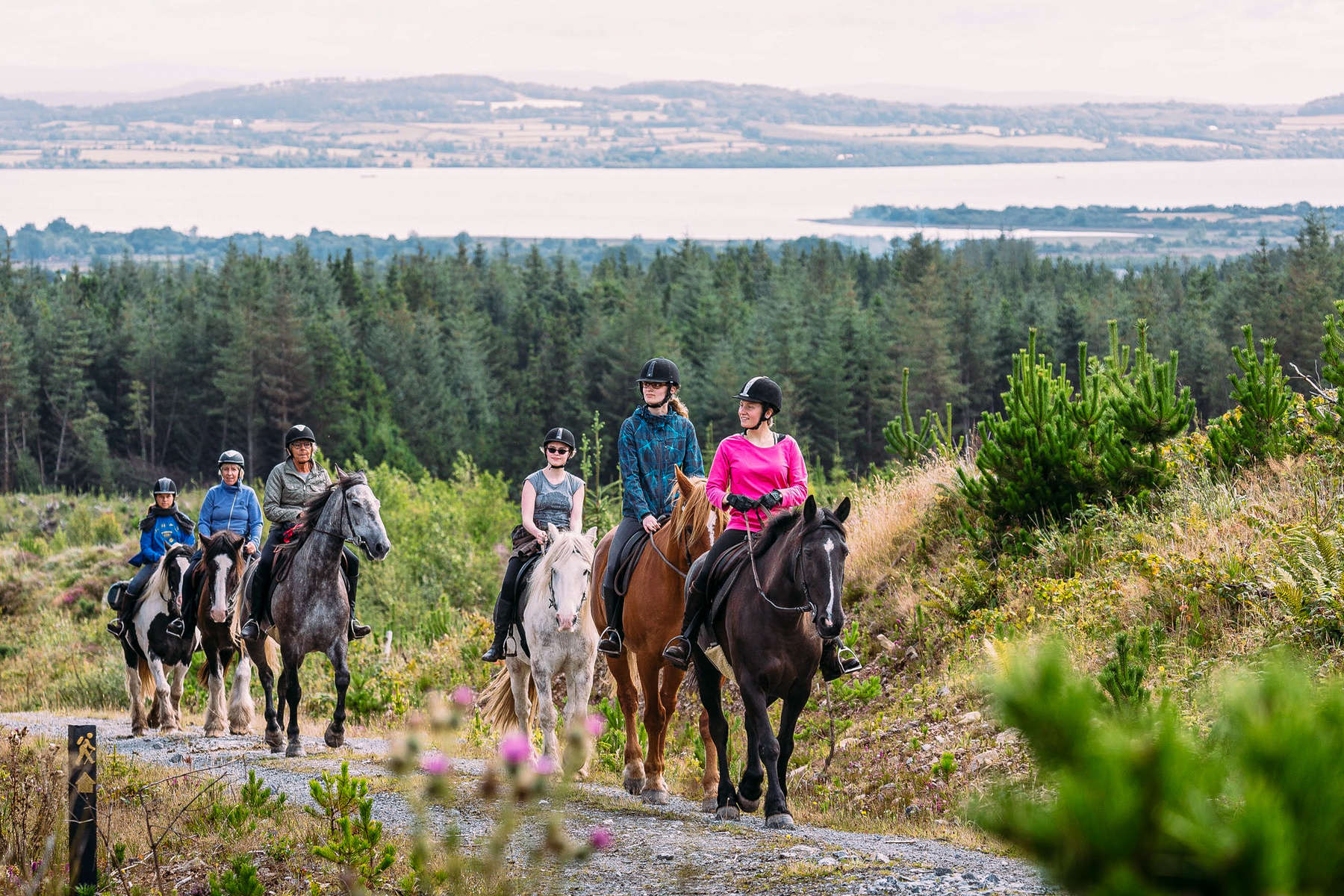
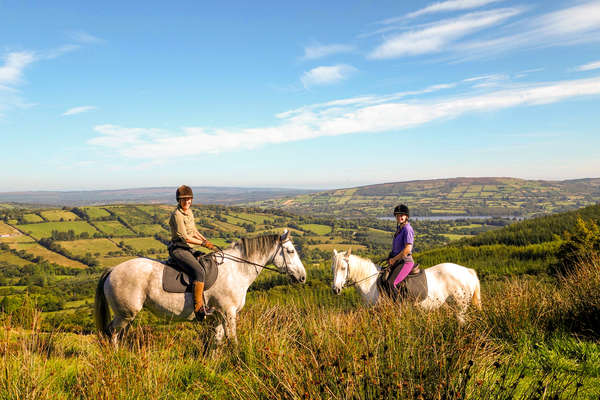
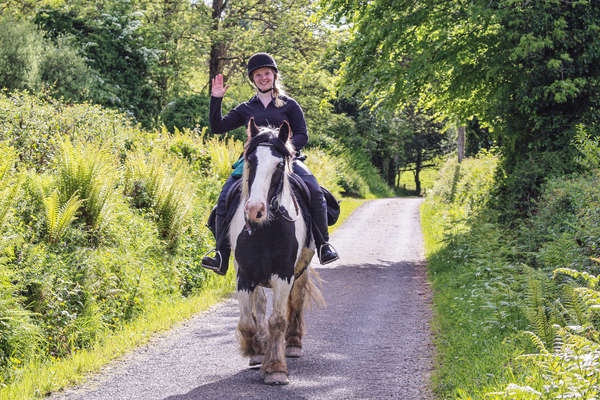
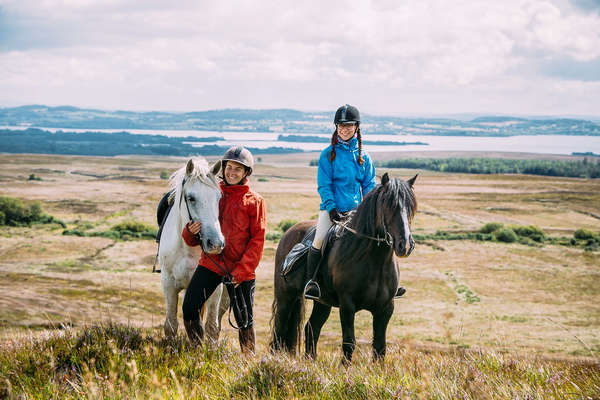
On this riding holiday, you will be staying at a renovated equestrian farm that is our guides’ home base. Riding guests stay in double or triple en-suite rooms and can enjoy the cosy ambiance of the sitting rooms. This is charming farm setting is perfect for those who want to reconnect with nature, including many friendly pet farm animals and sign-posted walking trails.
A laundry room is available (no dryer).
Meals
Full Irish breakfasts are served in the morning, or a choice of home-made bread, yoghurt, cereal...
Light picnic lunches are provided during the day and eaten on the trail: salads, bread, cakes, cheese platters...
Three course dinners at the farm always tasty and fresh – meat, potatoes and salads are a staple! On the nights you're staying in guesthouses, dinners will at a local pub or restaurant.
Wine, cider and beer, and sodas can provided at an extra cost (in cash).
Dietary requests can usually be accommodated if mentioned in advance - please inform your travel advisor upon booking.
Climate
The west coast of Ireland has an oceanic climate which is changeable and can be wet. In spring the temperatures range from 8-12c. April is particularly pleasant. In summer (May-July) the highest average temperatures are 18-20c, whilst in Autumn (Aug - Oct) the temperatures range from 14-18c. September is considered to be mild and temperate. The coldest months are January and February and sometimes temperatures drop below zero. Snow is rare, but there can be heavy rainfall at any time of year.
Tips
Tips are not mandatory but very welcome if you are pleased with the service provided.
Packing list
Please pack carefully and sensibly: the following guide is here to give you an idea of what to bring. This list must be adapted depending on the season and individual needs.
Head
- Riding helmet
- Sunhat: cap for when not riding
- Sunglasses - with a cord attached so they don't fly off when riding
Upper Body
- Thermals in case of cold weather (long or short-sleeved T-shirts)
- Short or long-sleeved cotton shirts (to provide protection from the sun) or T-shirt in a quick-drying material
- Lightweight fleece or jumper
- Warm polar fleece or equivalent (plus a spare in case one gets wet)
- Warm Goretex-style jacket (water-proof and breathable)
Legs
- 2 pairs of jodhpurs or long leather trousers
- 1 change of trousers for the evening.
- 1 pair of waterproof over trousers
- Cotton or synthetic underwear (non-irritant)
Hands and feet
- 1 pair of comfortable riding boots. We recommend short boots with half chaps but you may wish to take long chaps or long boots.
- Lightweight shoes or trainers for the evenings
- Several pairs of socks
- Gloves
Other useful items
- Water bottle
- Toiletries
- Ear plugs (may be useful)
Medical kit
- Sunscreen and lip balm - should be high factor
- Insect repellent
- Any medication you regularly take
- Vitamin C tablets
- Blister plasters in case of any rubs
- Antiseptic cream, plasters, aspirin, anti-histamine, insect-bite salve etc..
- 10cm wide bandage
- Painkillers
- Spare prescription glasses/contact lenses
- Eye drops
- Imodium or similar anti-diarrhoea medication
- Re-hydration sachets
- Antiseptic wipes
- Handwash gel
Our Recommendations
- Backpacks cannot be worn whilst riding. We recommend a small bumbag or a coat with pockets so that you can carry small items with you during the day (passport, camera, sunscreen, lipbalm etc)
- We recommend travelling in your riding boots and carrying your hat and some riding clothes in your hand luggage - then if your luggage goes astray you are still able to ride!
- You should also bring a copy of your passport/insurance in case you lose your documents. You can also save a copy into your mobile phone.