-
Enduimet wildlife corridor ride -
Kilimanjaro Elephant Safari -
Kilimanjaro Elephant Safari
Itinerary
Highlights
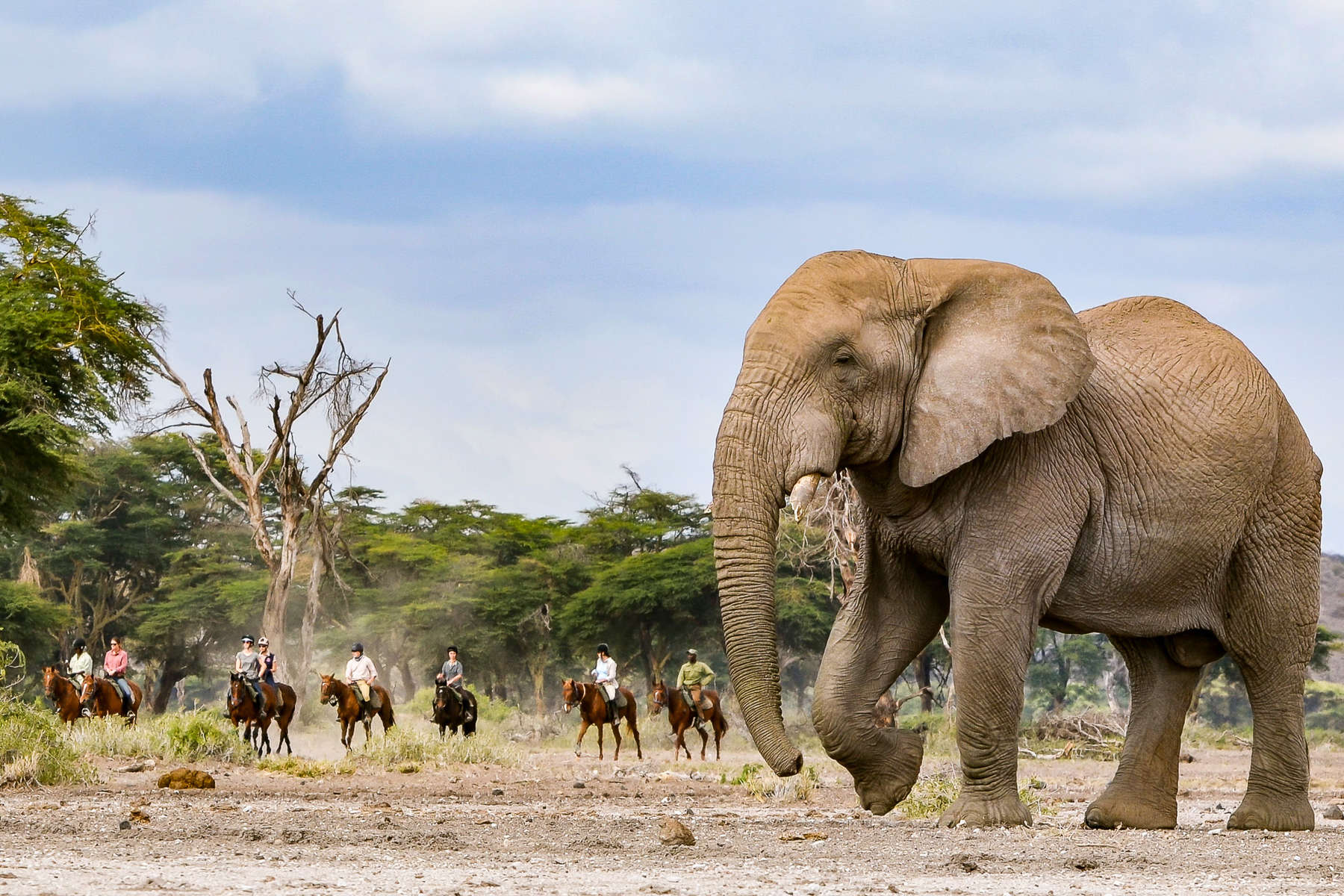
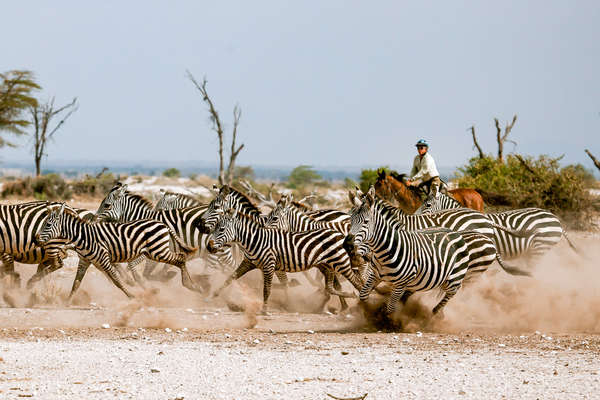
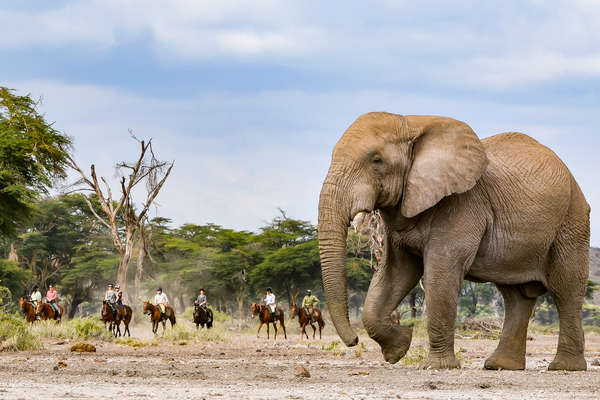
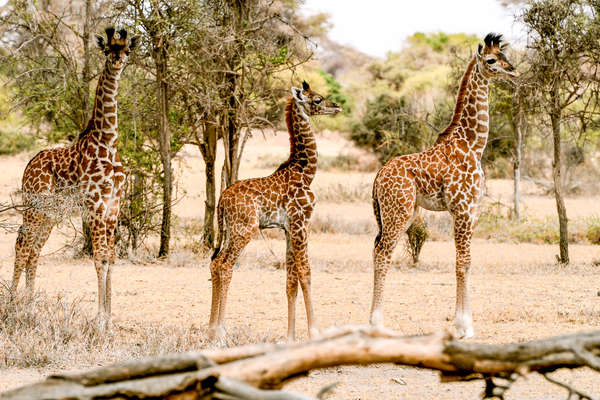
- Big game area offering the chance to ride with elephant, giraffe, buffalo, zebra etc
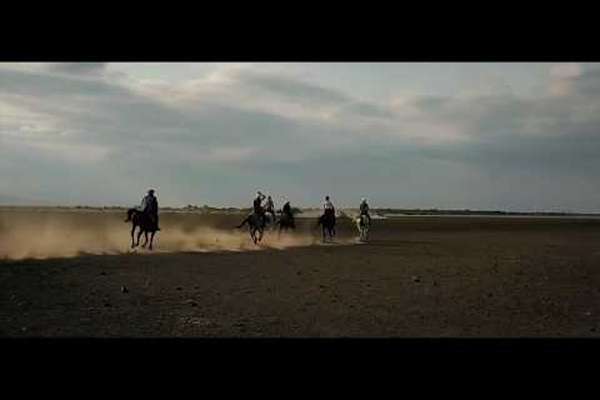
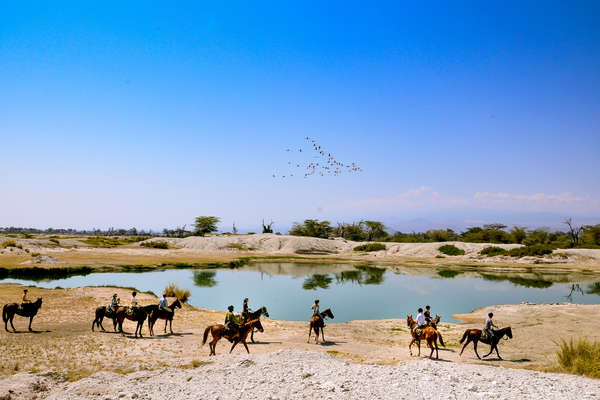
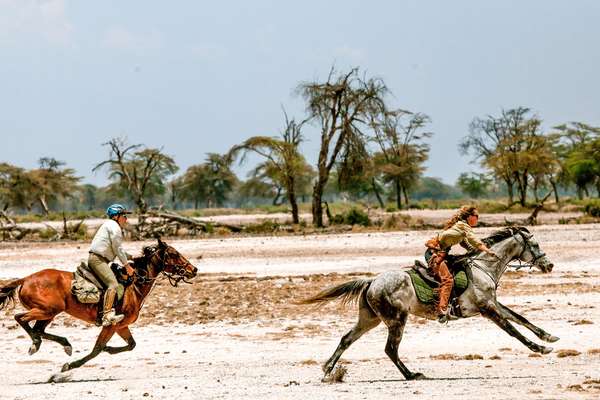
- Opportunties for fast riding on the dried out pans of Lake Amboseli (weather permitting)
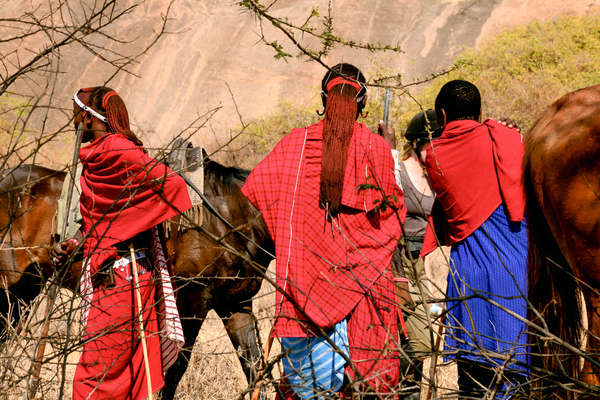
- Ride through traditional Maasai villages
- Experience the wonder of Mount Kilimanjaro, Mt Meru, Longido and Namanga
-
Day 1 1: ARRIVE IN ARUSHA - No riding
Depart on a day flight to Kilimanjaro airport. Please note that, depending on flight schedules it may be necessary to depart a day earlier and spend a night either in Kenya or Tanzania.
You will be met on arrival at Kilimanjaro airport (Arusha) and transferred c. 30-40 minutes to your accommodation for the night at the Lodge. Depending on your arrival time, you will have the chance to rest before dinner with your group. We generally use the Wildife residence but other lodges may be used depending on availability.
NB. Please note that this itinerary is a guide - the actual route will depend on game movements and local conditions but always with your best interests at heart. -
Day 2 2: MOUNT MERU - 1-2 hours riding
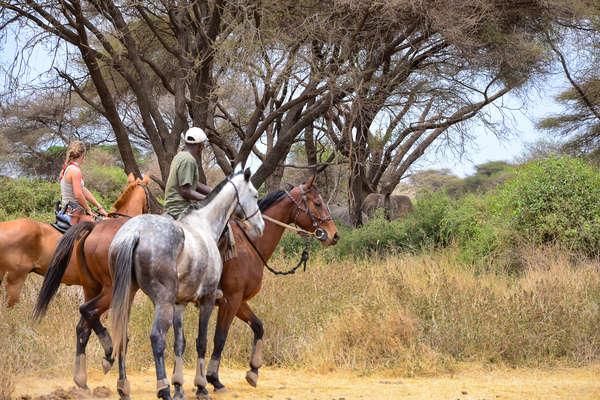
Safari camp TanzaniaAfter breakfast you are driven for about thirty minutes to Arusha National park gate. After being shown to your tent, time for refreshments before a short introductory ride to get to know your horse. The vegetation will change dramatically from open grassland to rain forest, with the possibility of seeing elephants, buffaloes, leopards and plains games. The big canopy forests are stunning and the atmosphere is quite eerie. After lunch you will also ride by Margarete Trappe's old house.
Camp is set at the foot of Mt Meru. The day ends around the campfire with a drink in your hand, and before dinner the safari briefing takes place to prepare everyone for the next day’s adventure. -
Day 3 3: NGAREJANI - MOMELLA LAKES - 4-6 hours
Safari camp TanzaniaWake up to the distinctive calls of colobus monkeys echoing through the trees. After breakfast, ride out into the scenic landscape where the classic film Hatari!, starring John Wayne, was shot.
Follow the trails first traveled by the legendary Margaret Trappe, the Iron Lady of Africa. She spent years exploring these wilds, and her footsteps still guide many today. Ride through habitats rich with wildlife - giraffes gliding across the glades, bushbucks and waterbucks grazing in the undergrowth, and tiny dik-diks darting through the brush. Later in the morning, return to camp for a leisurely lunch and some time to relax.
In the afternoon, climb into safari jeeps for an exciting drive to Lake Momella. Keep an eye out for hippos lazing in the water, flamingoes painting the shoreline pink, and a variety of water birds skimming the surface. Enjoy a beautiful sundowner by the lake before heading back to camp at dusk. After dinner, drift off to sleep with the sounds of the wilderness around you, and if you’re lucky, the elusive call of a leopard in the night. -
Day 4 4: MASAI STEPPE - 4-6 hours riding
Safari camp TanzaniaAfter breakfast, it’s time to move on. Jump into safari cars for a drive of approximately an hour and fifteen minutes. This part of the journey isn’t suited for riding, so you’ll relax and absorb the Tanzanian countryside until you meet the horses at your new destination.
The ride begins across the dry and harsh Masai Steppe, a land filled with new wildlife sightings. You’ll hopefully encounter Grant’s gazelles, Thompson’s gazelles, zebras, and wildebeests scattered across the open plains. As you ride, the landscape transitions into acacia shrubland and woodlands. The early hours of riding can be tough, as the ground is rocky and unsuitable for fast riding. However, by later in the morning, the terrain softens and allows for a faster pace. You’ll ride through Masai country, a land that feels both timeless and wild, although the game becomes less abundant here.
By midday, it’s time for a lunch break under the shade to escape the heat of the day. This gives both riders and horses a much-needed recharge, a full 3 hours to relax and rest. After lunch, ride on into the cooler afternoon hours, making your way to your night stop. Your destination is a beautiful spot overlooking the magnificent mountains: Kilimanjaro, Mount Meru, and Mount Longido. A stunning view to end the day. -
Day 5 5: MASAI LAND - 4-6 hours riding
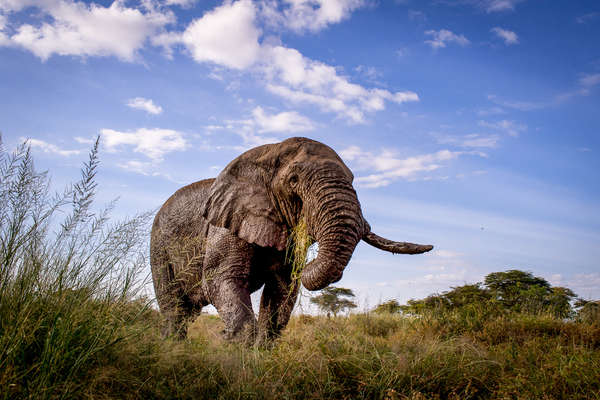
Safari camp TanzaniaAfter breakfast, it’s time to move on once again. Find your horse and set off in a northeastern direction toward the mysterious formations known as the Seven Sisters. Although elephants may have eluded you so far, this afternoon you enter prime elephant territory: you’ve been riding along their migration routes for days, and while nothing is guaranteed in the wild, today brings your best chance yet to encounter these majestic giants.
The morning ride feels like a journey back in time, crossing dried-out floodplains and passing near traditional Masai bomas. You may even cross paths with Masai warriors moving through the landscape as they have for centuries. If luck is on your side, you might catch a glimpse of the very rare and endangered antelope called a gerenuk, a treasured sight in these parts. Lunch is enjoyed somewhere along the route, followed by a peaceful break to escape the heat of the day.
In the afternoon, ride into dried-out lakebeds, perfect terrain for exhilarating, fast-paced gallops. The land opens up into vast wilderness, and you finally reach your camp, now set in a new location under a canopy of trees, out in the open. Settle in for the evening with views that stir the soul: majestic Kilimanjaro to the north, Longido to the west, Meru to the south, and the hazy outline of Namanga in the distance. -
Day 6 6: AMBOSELI PANS - 4-6 hours riding
Safari camp TanzaniaAt first light, your tent steward arrives quietly, pouring hot water into your basin as birdsong begins to filter through the canvas walls. Outside, the world is waking, and the air is filled with the gentle promise of a new adventure. Enjoy a warm breakfast as the early sun spills gold across the landscape. Today’s ride takes you deeper into the wilderness (a place where the chances of seeing elephants, cheetahs, and hyenas are high, and the rolling terrain invites you to pick up the pace). By midday, return to camp, where shade, comfort, and a freshly prepared lunch await. Indulge in a siesta as the heat of the day settles, listening to the soft whispers of nature around you.
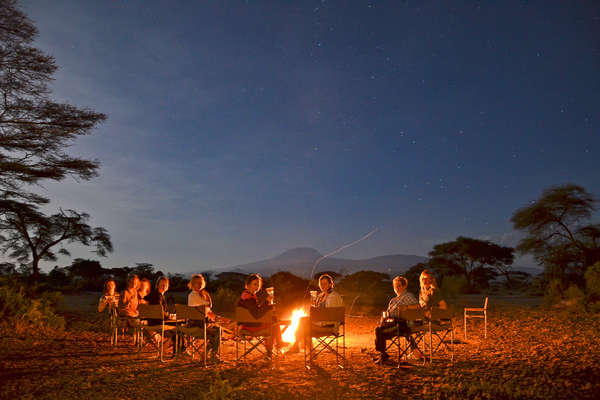
In the late afternoon, ride out, bathe in the golden light of the African sunset, and let the land speak to you in silence and shadow. As night falls, gather around the fire with a gin and tonic in hand. Then, dine under a ceiling of stars, a three-course feast shared in the heart of the wild. The air is filled with stories, laughter, and the magic of Africa! -
Day 7 7: AMBOSELI - 4-6 hours riding
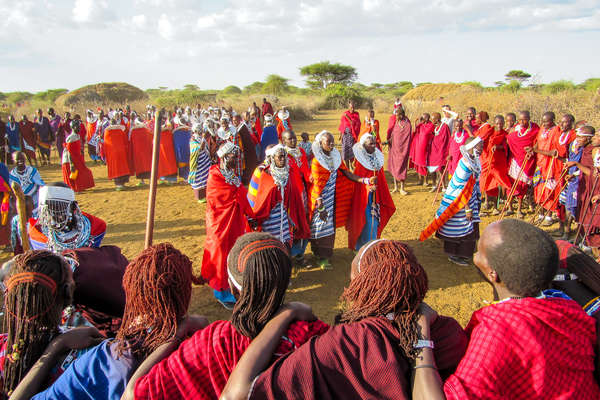
Safari camp TanzaniaAfter breakfast, you mount up once more for a morning ride through the soft light of early day. Today’s journey takes you to a traditional, genuine Masai boma. A chance to step into a culture as rich and enduring as the land it calls home. Ride through the grasslands to find the circle of mud huts, hand-shaped from earth and time. Here, you’re welcomed by the Masai, known for their dignity, warmth, and brightly coloured shukas. Watch the warriors as they go about their day, and if you dare, sample the traditional mix of goat milk and blood, a rite of strength and survival. Browse handmade jewellery, each piece carrying stories woven from generations. Return to camp for a leisurely lunch and a moment of rest, knowing that the final ride still awaits.
In the cool of the afternoon, saddle up for one last time. This ride isn’t about distance. The land rushes past, batiked in golden light. Back at camp, the evening unfolds with a farewell feast beneath the stars. Laughter and stories are shared around the fire. And as night deepens, you tuck into bed, hoping to fall asleep to the most primal song of Africa... the low, distant roar of a lion! -
Day 8 8: AMBOSELI - ARUSHA - No riding
After a final breakfast in camp, it’s time to say goodbye to the bush. This morning, you’ll climb into safari vehicles instead of the saddle, leaving the horses behind as you begin the journey back.
The three-hour drive takes you out of the wilderness and toward modern life once more. You’ll arrive at Kilimanjaro International Airport around 11 a.m., in time for your onward flight.
Please note that this itinerary serves as a guideline. Changes may occur due to the movement of game, weather conditions, or other unforeseen circumstances. Any adjustments made will always be with the safety and best interests of thesafari experience in mind. -
Day 9 9: EUROPE
Arrive back in Europe
Dates & prices
Price details
- The above rates are per person, based on sharing a twin or double room and tent.
- There is no single supplement if you are willing to share a room/tent with another guest of the same sex. To guarantee your own room/tent there is a single supplement of $490/€440/£400 for the duration of the safari.
- Groups are usually a minimum of 4 and a maximum of 10 riders, plus guides.
- Wildlife Management Area (Park) fees are included. Although we try to keep this website updated to reflect recent changes on taxes and levies, they are subject to change without prior notice.
- Road transfers are included to/from Kilimanjaro airport or Arusha town. On the way back, your flight must depart after 2:00pm to allow time for the transfer. Private transfers can be organised at the cost of around $70/£60 per car if arriving a day early.
- Other departures are possible and can be planned on request throughout the year, except during April and May which correspond with the long rainy season in Tanzania.
- If guests are travelling with an extra bag that is not needed on the riding portion of their trip (as space is limited in the tents). Arrangements can be made to store extra bags for a fee of $20 per person.
- Please note that there is a rider weight limit of 85kgs/187lbs/13st3
- For those who are not keen horseriders or not confident enough, options for vehicle safaris and walking safaris can be arranged. Their itinerary will be tailored to individual needs and sample itineraries are available upon request
Please Note
The itinerary may be modified at anytime for security reasons, meteorological or events beyond our control such as blocked roads, rivers in flood, drought, strikes and local holidays. Equus Journeys, our local partners and their local guides will always strive to find the best solution and will alter the itinerary as needed.
The names of the hotels and accommodation are given for information only and depending on availability, they may be modified without notice and replaced by another of a similar standard.
Price includes
Support Team
1 additional guide for groups of 6+ riders
Logistic
1 support vehicle
1 assistant cook
1 horse equipped with saddle and bridle
Inland transports
Airport transfers at set times
Accommodation
Bedding
Meals
Additional equipment
Extras
Price doesn't include
Meals
Transports
International flights
Extra
Insurance
Optional
Accommodation
-
Departure Return Price without flights Status 19/09/2026 27/09/2026 £5,667 €6,460 $7,310 Contact an advisor 07/10/2026 15/10/2026 £5,667 €6,460 $7,310 Book now -
Departure Return Price without flights Status 01/06/2027 10/06/2027 £5,667 €6,460 $7,310 Book now 11/06/2027 20/06/2027 £5,667 €6,460 $7,310 Book now 22/06/2027 01/07/2027 £5,667 €6,460 $7,310 Book now -
Departure Return Price without flights Status 02/07/2027 11/07/2027 £5,667 €6,460 $7,310 Book now 13/07/2027 22/07/2027 £5,667 €6,460 $7,310 Book now 03/08/2027 12/08/2027 £5,667 €6,460 $7,310 Book now 13/08/2027 22/08/2027 £5,667 €6,460 $7,310 Book now 31/08/2027 09/09/2027 £5,667 €6,460 $7,310 Book now -
Departure Return Price without flights Status 10/09/2027 19/09/2027 £5,667 €6,460 $7,310 Book now 21/09/2027 30/09/2027 £5,667 €6,460 $7,310 Book now 01/10/2027 10/10/2027 £5,667 €6,460 $7,310 Book now -
Departure Return Price without flights Status 30/05/2028 08/06/2028 £5,667 €6,460 $7,310 Book now 09/06/2028 18/06/2028 £5,667 €6,460 $7,310 Book now 20/06/2028 29/06/2028 £5,667 €6,460 $7,310 Book now 30/06/2028 09/07/2028 £5,667 €6,460 $7,310 Book now -
Departure Return Price without flights Status 11/07/2028 20/07/2028 £5,667 €6,460 $7,310 Book now 21/07/2028 30/07/2028 £5,667 €6,460 $7,310 Book now 01/08/2028 10/08/2028 £5,667 €6,460 $7,310 Book now 11/08/2028 20/08/2028 £5,667 €6,460 $7,310 Book now 22/08/2028 31/08/2028 £5,667 €6,460 $7,310 Book now -
Departure Return Price without flights Status 01/09/2028 10/09/2028 £5,667 €6,460 $7,310 Book now 12/09/2028 21/09/2028 £5,667 €6,460 $7,310 Book now 22/09/2028 01/10/2028 £5,667 €6,460 $7,310 Book now 03/10/2028 12/10/2028 £5,667 €6,460 $7,310 Book now 13/10/2028 22/10/2028 £5,667 €6,460 $7,310 Book now
Equestrian info
Horses
Guide & local team
Out on safari the lead guide is either armed or carries a bullwhip and communicate over radios and cellphones, with a mobile station in each vehicle.
Minimum riding ability
longer distance. A fit and proficient rider is of big advantage out on safari. There may be requirements to gallop out of danger and opportunities to jump (although these are optional).
Please note that there is a rider weight limit of 85kgs/187lbs/13st3
Pace
Tacking ability and participation
Trip conditions and Requested experience
Riders who do not ride regularly must get riding fit before joining this safari.
Please check with us before booking if you have any medical conditions as you will be far from medical help. A must to disclose any medical conditions, allergies, or medications that might affect your ability to ride safely.
You will meet different cultures and mentalities which requires acceptance of these differences and respect for others.
Equestrian equipment
We use English/polo saddles on this safari.
We recommend our riders to wear a helmet to the correct standard and you should bring your own to ensure a proper fit. Helmets are not available to borrow.
Travel info
Comfort
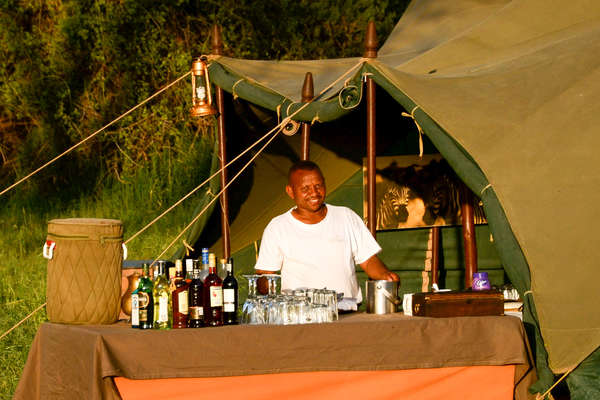
Mobile camp (6 nights): They are comfortable and spacious, being 4 X 4 meters with mosquito netted doors and windows to allow for ventilation but remain insect proof. Each tent is provided with a carpet, towel rack, bedside table and water bottle, bed and cotton linen and a solar light. Outside each tent there is a veranda with chairs and a washstand that you share with your tent partner. Each tent has its own bush toilet and bucket shower. The toilet is a traditional short drop style toilet with a nice wooden toilet seat over a metal box with open sides. Our motto is "Rhinos cover it please do the same". There is a small mound of dirt with a trowel next to the toilet seat for this purpose. The shower is a traditional star gazing canvas bucket.
Note - in case of very wet weather, those large tents can be replaced by smaller dome tents.
Meals
Breakfast is traditional and includes fresh fruit juice
Lunch is either a picnic from the saddle bags or a selection of light dishes produced from the support vehicle in a shady spot.
Dinner is three courses and a mixture of local and international dishes with fresh salads and freshly baked bread.
Drinks are included whilst on safari but payable locally at lodges added on at the beginning/end.
Climate
There are two rainy seasons: the long rains extend from mid-February to early May, with the majority of the rain in April. Evenings can be cool or even cold.
The short rains are from early November to mid December - during this period the rain is not constant but falls in heavy showers during the day.
The hottest months are December to February.
Around Mount Kilimanjaro there is often snowfall overnight in January and February, and freezing cold nights in July and August.
Tips
Packing list
Head
- Equus Journeys strongly recommend that you wear a riding helmet and that you take your own to ensure a correct fit.
-Sunhat for when not riding
- Sunglasses - with a cord attached so they don't fly off when riding
- Buff or bandana
Upper body
- Long sleeved shirts provide protection from the sun and thorns
- T-shirts
- Fleece, jumper or jacket - the evenings can be cold
- Waterproof jacket - the rains can be difficult to foresee and it's better to be prepared
- Casual clothes for the evening
Legs
- Lightweight, comfortable riding trousers or jodhpurs - we recommend riding in them at home before taking them on holiday to ensure they don't rub
- Shorts for lazy lunchtimes
- Casual clothes for the evening
Hands and Feet
- Comfortable riding boots. We recommend short boots with half chaps but you may wish to take long chaps to protect against thorns. We don't recommend taking your favourite long leather boots in case they get damaged
- Sandals, flip-flops or trainers for moving around the lodge and camp
- Gloves - your hands are particularly exposed to the sun whilst riding
Nightwear
Our Recommendations
- Please don't take a hard sided suitcase. Your luggage should be soft sided for easy transportation between camps.
- Wherever possible you should wear neutral colours, such as beige, brown or natural bush colours for riding as bright colours, such as red, yellow or white can startle the wildlife and they will see you long before you've seen them
- We recommend travelling in your riding boots and carrying your hat and some riding clothes in your hand luggage - then if your luggage goes astray you are still able to ride!
Other useful items
- Waterbottle to keep in the saddlebags
- Swimsuit - for the Lake Natron ride
- Towel. A camping towel will both dry quicker and pack lighter
- Binoculars for viewing game
- Camera and high capacity memory card. Spare battery
- Bumbag for carrying your camera and small items whilst riding
- Headtorch or small torch for moving around camp at night
In your luggage
- Any liquids, such as shampoo, moisturiser, deodorant unless they are less than 100ml and all bottles can fit in a small, clear, plastic ziplock bag
In your hand luggage
- Any valuables, such as your camera, ipod, ipad etc.
- Your riding hat
Medical kit - A First Aid Kit is always carried in the back up vehicle on safaris, although we ask guests to bring any required medics as well as malarial prophylaxis.
- Sunscreen and lip balm - must be high factor
- Insect repellent, preferably containing deet
- Any medication you regularly take
- Blister plasters in case of any rubs
- Antiseptic cream, plasters, aspirin, anti-histamine, insect-bite salve etc...
- Spare prescription glasses/contact lenses
- Ear plugs, particularly if you are a light sleeper
- Anti malarial tablets and Yellow Fever Certificate (check with your doctor)

Sustainable tourism
- Travel light. It's a little known fact, but the lighter you pack, the better for the environment as heavy bags will produce higher emissions (when flying a plane or driving a car!).
- Reduce plastic waste. Take your favorite reusable bottle with you. Avoid single-use bags, cups, or straws.
- Preserve nature. Always take your rubbish with you during the ride and recycle them. Leave all the flowers or plants as you found them, and never get too close when observing wildlife. Make sure to use eco-friendly products such as body wash or laundry detergent (if camping) to protect both your skin and the environment.
- Choose your experiences carefully. Respect animal life by not participating in any activities that abuse wild animals (shows, elephant rides, etc.).
- Support local populations. Buy local handicrafts, be respectful of customs, and learn about the culture of local communities.
- Share! Raise awareness among your family and friends about sustainable tourism.
Did you know?
Did you know?
On this horseback safari you ride through the Enduimet Wildlife Management Area (EWMA) which lies in the Longido district of Tanzania, near the border with Kenya. Situated between the national parks of Amboseli and Kilimanjaro, the EWMA serves as an important trans-national migratory route and dispersal area for many species of wildlife, in particular the elephant. It remains the only corridor that connects to the Kilimanjaro ecosystem. The Enduimet area is also home to 17,000 people with the dominant ethnic group being Ilkisongo Masai, who cultivate the land for agriculture and cattle.
The EWMA has rangers which frequently patrol the corridor to provide access for wildlife to move from Kilimanjaro to Amboseli. These rangers help to prevent poaching, and the Enduimet corridor lost no elephant to poachers in 2013 - proof that community based conservation can work.