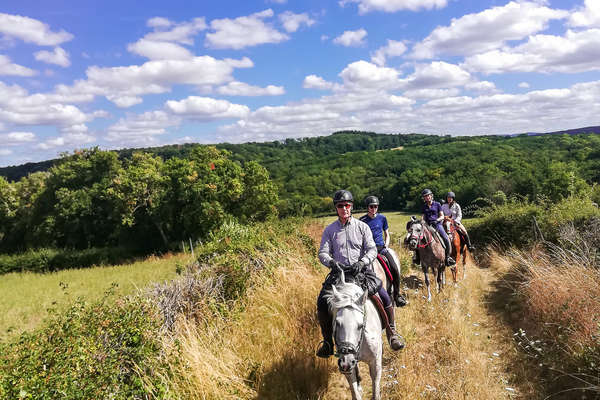
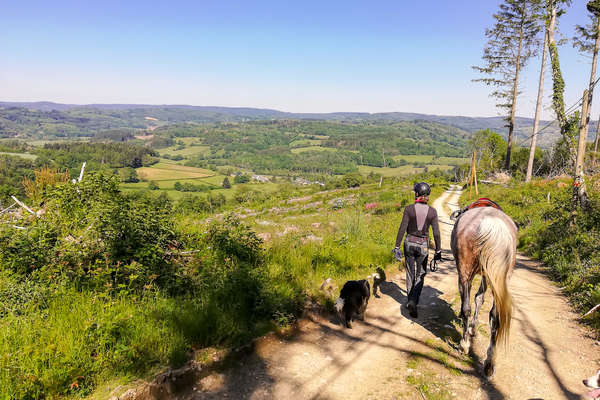
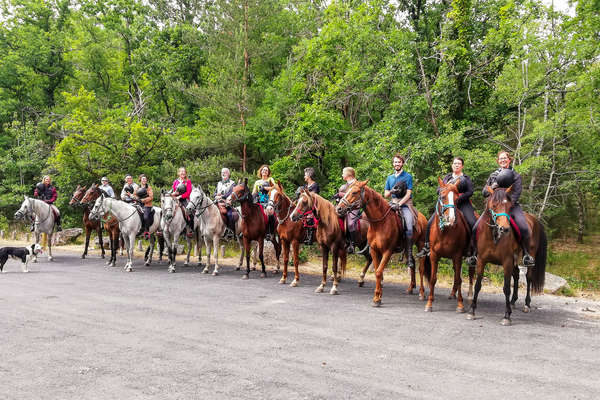
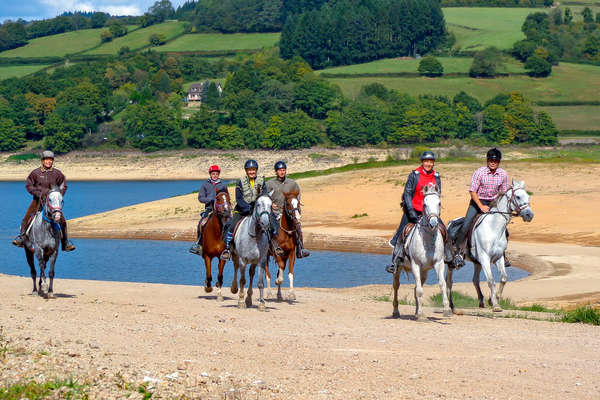
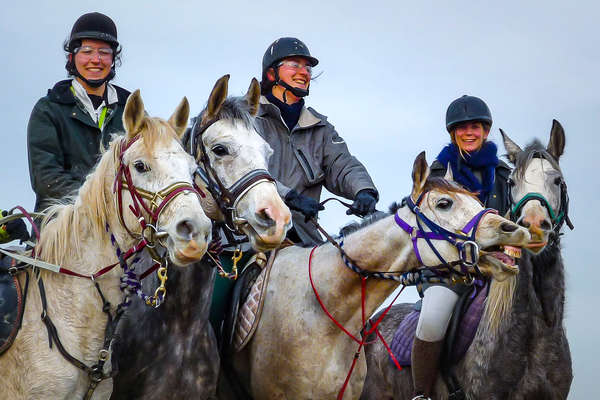
Comfort
Stay in small hotels along the route (2** standard).
All will give you a cosy bed and a shower.
Meals
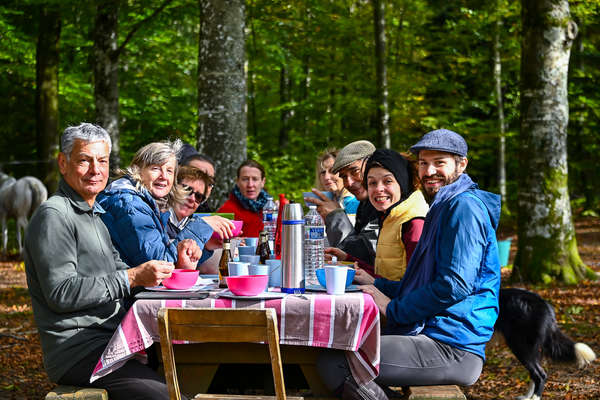
Lunches are prepared by your hosts and served on a table whilst on the trail. They can be either hot or cold.
Breakfasts and Dinners are taken at the various hotels along the trail.
Climate
The climate is oceanic with a semi-continental trend. This means that there is the possibility of rain all year round, although there is less in summer. Temperatures are higher here than in other regions of France and it is this that allows for the cultivation of the famous Burgundy vines. If it is 15c in Paris then it is likely to be 18c in Burgundy.
Tips
In France it is customary to tip - usually this is by rounding up the price when you are satisfied with the service in a restaurant. You may wish to leave a tip with the guide who can split it amongst all members of the team.
Packing list
Please pack carefully and sensibly: the following guide is here to give you an idea of what to bring. This list must be adapted depending on the season and individual needs.
To help with logistics, guests’ luggage should not exceed 18 kg per person.
Head
- Helmet
- Sunhat for when not riding
- Sunglasses - with a cord attached so they don't fly off when riding
- Buff or bandana for protecting your neck and face from the sun and dust
Upper body
- Thermals in case of cold weather
- Long sleeved shirts provide protection from the sun, which can be fierce at altitude
- T-shirts
- Lightweight fleece or jumper
- Warm polar fleece or equivalent (plus a spare in case one gets wet)
- Waterproof jacket - rain can be difficult to predict and it's better to be prepared. In the mountains the weather can change quickly
Legs
- Lightweight, comfortable riding trousers or jodhpurs - we recommend riding in them at home before taking them on holiday to ensure they don't rub
- Waterproof over trousers
- Casual clothes for the evenings (jeans or walking trousers)
- Thermals (can also be used as nightwear)
Hands and Feet
- Comfortable riding boots. We recommend short boots with half chaps but you may wish to take long chaps. We don't recommend taking your favourite long leather boots in case they get damaged
- Lightweight shoes or trainers for the evenings
- Several pairs of warm socks
- Gloves
Nightwear
- Pyjamas, tracksuits or thermals for sleeping in
Other useful items
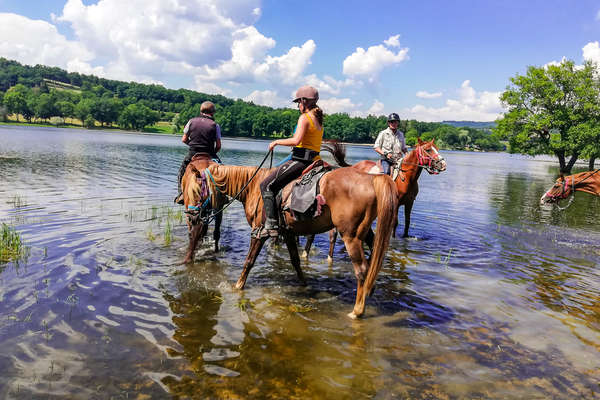
- Swimsuit - for swimming/bathing in rivers
- Small backpack for accessing items required during the day (carried by support crew)
- Bumbag for carrying your camera and small items whilst riding
- Water bottle (bottles over 1l are not allowed)
- Wet Wipes or equivalent (for when washing facilities aren't available)
- Ear plugs (for light sleepers)
Medical kit
- Sunscreen and lip balm - should be high factor
- Insect repellent
- Any medication you regularly take
- Blister plasters in case of any rubs
- Antiseptic cream, plasters, aspirin, anti-histamine, insect-bite salve etc...
- Spare prescription glasses/contact lenses
- Eye drops
- Imodium or similar anti-diarrhoea medication
- Re-hydration sachets
- Antiseptic wipes
- Handwash gel
Our Recommendations
- Backpacks cannot be worn whilst riding. We recommend a small bumbag or a coat with pockets so that you can carry small items with you during the day (passport, camera, sunscreen, lipbalm etc)
- We recommend travelling in your riding boots and carrying your hat and some riding clothes in your hand luggage - then if your luggage goes astray you are still able to ride!
- You should also bring a copy of your passport/insurance in case you lose your documents. You can also save a copy into your mobile phone.