Comfort
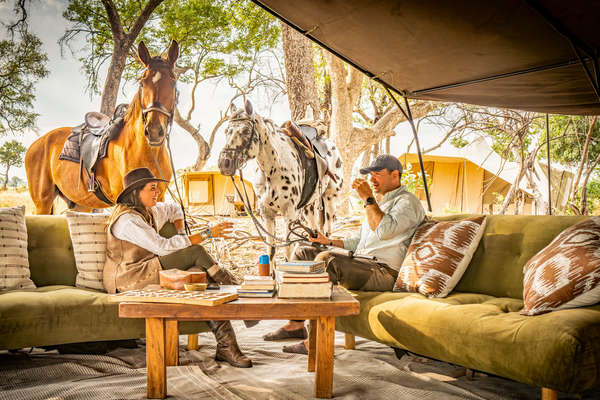
This safari takes place in a private concession area of over 2500 sq kilometres using two different camps, both in diverse areas.
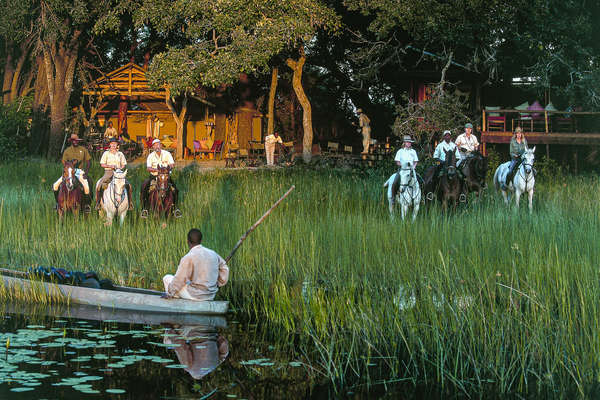
Kujwana Camp, the principal camp, is situated south west of Chiefs Island in the Okavango Delta. It accommodates a maximum of 6 guests in spacious safari tents each with bathrooms en-suite. The main area has a fully stocked bar, tree house overlooking the Xudum River and a separate dining area. The camp is equipped with a solar system lighting all tents and the main area - this also provides enough power for the charging of cameras during daylight hours. There is no cell phone coverage in the area. There is internet in Kujwana camp and tents, although this is serviced by a satellite dish and is slow, but sufficient for basic messaging apps/emails.
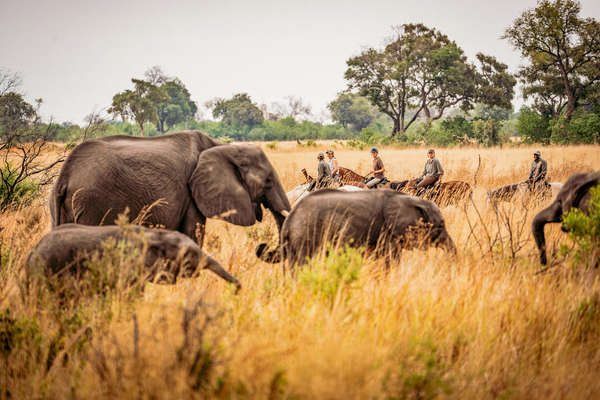
Mokolwane camp, the second camp, is situated north west of Kujwana on the Matsebi River. This camp is made up of tree houses 2 meters off the ground. A real haven for elephants that love the palm trees of this area. This camp is situated in the open flood plains that receive floodwater 3 weeks earlier than Kujwana camp. The vegetation consists of smaller palm islands and wide-open spaces. Mokolwane also sleeps 6, with the accommodation boasting superb views, each with a private bathroom. The Matsebe River is your main feeder for Lake Ngami
IMPORTANT: Mokolwane and fly camp options (10-day safaris) are only offered from March through to November. In January, February and December, guests are based at Kujwana Camp.
Laundry is done daily in camp but not when moving to fly camp. All laundry is washed by hand by camp staff. Ladies underwear and other personal items may not be sent to the laundry. Washing powder is provided in the bathrooms.
- Soap, shampoo, hair conditioner and body lotion is provided in Kujwana camp.
- Bedrolls are complete with sheets, duvet and towels provided.
- A medical kit is available.
- Recharging batteries: facilities are available at Kujwana camp in both the mess tent and the tents where you will sleep. Power point is round 3-pronged South African. Kujwana camp has 220volt solar power. Recharging of camera batteries is possible but no heating elements such as hair dryers or electrical appliances.
Meals
Breakfast is usually taken very early (before dawn) and is therefore light, consisting of cereals, fruit and rusks with tea or coffee.
Lunch is also light and may be quiche and salad or a variety of salads with cold meats.
Dinner is three courses. Wine is served with the meals and a selection of drinks are available.
Vegetarians and special diets can be catered for with advance notice.
Climate
The Okavango Delta is a seasonal flood plain and so different times of the year offer different experiences - each magical in its own way. The seasons in southern Africa are the reserve of the UK and so December/January is mid-summer with high temperatures and the chance of dramatic thunderstorms, whereas July/August is mid-winter when temperatures are lower and there is little chance of rain. The water level in the Delta depend on the rainfall in Angola and the floods usually arrive around April/May and recede around September/October, but this varies every year and is difficult to predict. The following guide may prove useful when planning the best time for your holiday.
March/April : Daytime temperatures are warm/hot (25-35c) and will drop to 10-20c at night. There is a small chance of rain and the bush is green and lush. There will be waterholes left over from the rainy season but the flood may not have arrived yet. Because of the rain, lush grazing and plentiful waterholes the game is dispersed and not gathered in big herd but will look fat and healthy.
May : Daytime temperatures are falling (20-30c) and it is starting to feel cooler at night (5-10c). The floods normally arrive in May which brings high levels of bird life. The large herds of lechwe antelope and buffalo will start to move into the area, but game is still dispersed as there is plenty to eat and drink.
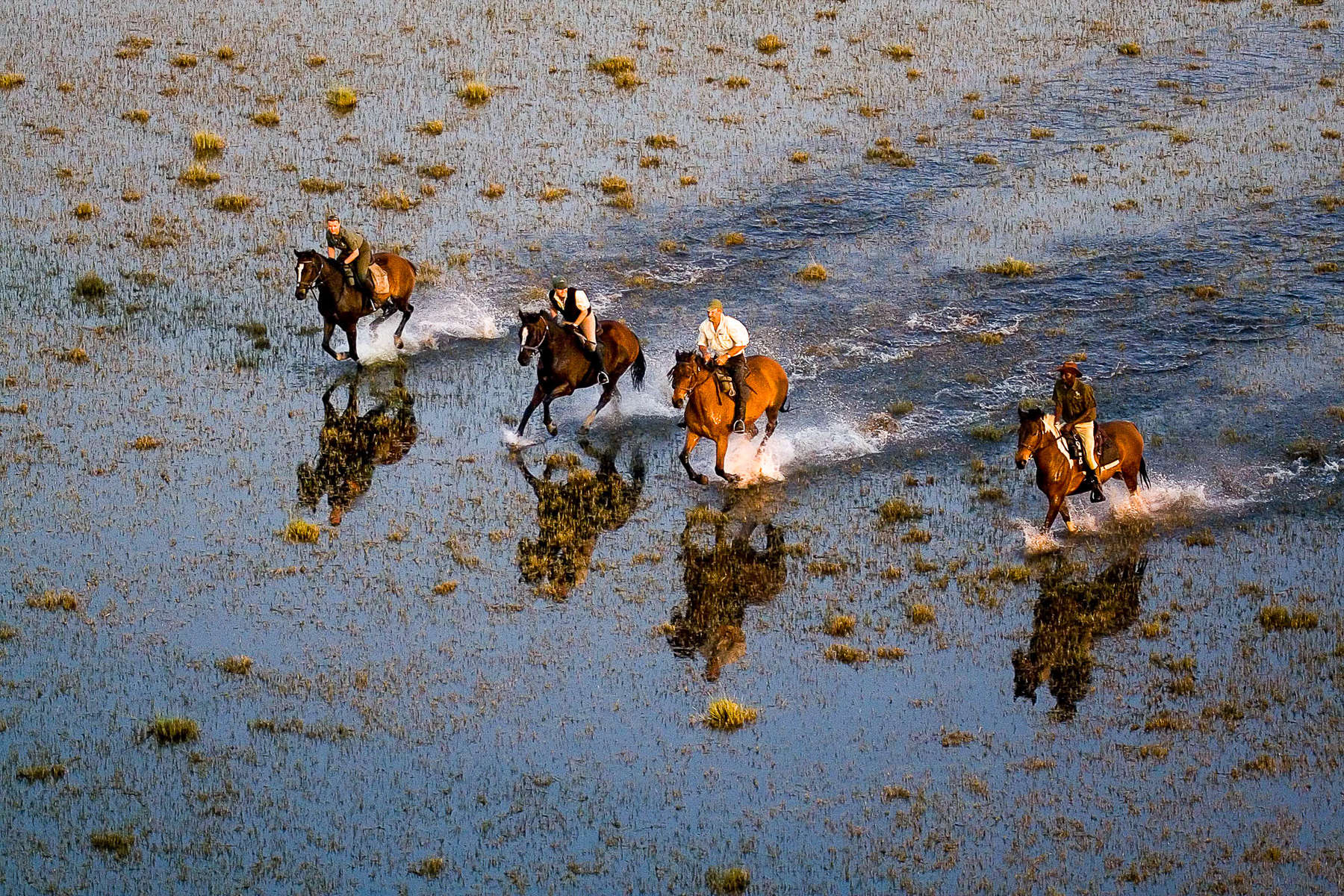
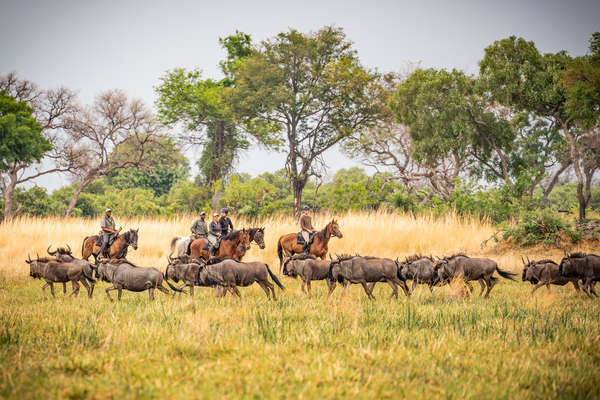
June-August : Daytime temperatures are still pleasant (20-25c) but night are cold (3-5c) and so the early morning and late evenings are chilly. The floods are at their highest and so there is plenty of wading from island to island and boat activities. Hippo and crocodile may move into the area as well as large buffalo and antelope herds.
September/October : Spring arrives and temperatures start to climb with daytime temperatures of 30-45c, dropping to 15-25c at night. The floods are starting to recede, the islands are dry as there has not been rain for months and so the game starts to concentrate around the water holes.
November - February : The rain can arrive anytime in November. Daytime temperatures are high before the rains (30-40c) but drop after each shower. It is unlikely to rain persistently, but usually for a few hours. Nights are still warm (15-20c). The bush turns green after the rains and the grass starts to grow again. Once the waterholes start to fill again the game will disperse. The antelope will give birth during this time of plenty.
Tips
We recommend tipping 10-15 USD per day, which can be split between the entire team, and tipping your guide separately - approx $10 per day. Tips are also accepted in Euros, GBP or Pula/ZAR. If you stay at Mokolwane camp, staff has to be tipped separately on the day.
Packing list
Our Recommendations
- Please don't take a hard sided suitcase. Your luggage should be soft sided, particularly for light air transfers. There is usually a luggage limit of 20kgs including hand luggage. If you are transferring into/out of camp by road rather than by helicopter then it may be possible to have a slightly higher luggage weight limit - please check with us.
- Wherever possible you should wear neutral colours, such as beige, brown or natural bush colours for riding as bright colours, such as red, yellow or white can startle the wildlife and they will see you long before you've seen them
- We recommend travelling in your riding boots and carrying your hat and some riding clothes in your hand luggage - then if your luggage goes astray you are still able to ride!
Head
- Equus Journeys strongly recommend that you wear a riding helmet and that you take your own to ensure a correct fit.
- Sunhat for when not riding
- Sunglasses - with a cord attached so they don't fly off when riding
- Buff or bandana
Upper body
- Long sleeved shirts provide protection from the sun and thorns
- T-shirts
- Fleece, jumper or jacket - the evenings can be cold, particularly June - August
- Waterproof jacket - the rains can be difficult to foresee and it's better to be prepared. Rain is more likely Oct-April, but in the Delta you may appreciate a waterproof jacket for splashy canters May-September
- Casual clothes for the evening
Legs
- Lightweight, comfortable riding trousers or jodhpurs - we recommend riding in them at home before taking them on holiday to ensure they don't rub
- Shorts for lazy lunchtimes
- Casual clothes for the evening
Hands and Feet
- Comfortable riding boots. We recommend short boots with half chaps but you may wish to take long chaps to protect against thorns. We don't recommend taking your favourite long leather boots in case they get damaged. During the flood season you may wish to take a second pair so that you aren't putting wet boots on
- Sandals, flip-flops or trainers for moving around the lodge and camp
- Gloves - your hands are particularly exposed to the sun whilst riding
Nightwear
Other useful items
- Swimsuit - for plunge pools
- Binoculars for viewing game
- Camera and high capacity memory card. Spare battery
- Bumbag for carrying your camera and small items whilst riding
- Headtorch or small torch for moving around camp at night
- Waterproof pouches if you want to bring your camera or phone with you whilst riding
In your luggage
- Any liquids, such as shampoo, moisturiser, deodorant unless they are less than 100ml and all bottles can fit in a small, clear, plastic ziplock bag. Some toiletries are provided by the camp so you can pack lighter.
In your hand luggage
- Any valuables, such as your camera, ipod, ipad etc.
- Your riding hat
Medical kit
- Sunscreen and lip balm - must be high factor
- Insect repellent, preferably containing deet
- Any medication you regularly take
- Blister plasters in case of any rubs
- Antiseptic cream, plasters, aspirin, anti-histamine, insect-bite salve etc...
- Spare prescription glasses/contact lenses
- Anti malarial tablets and Yellow Fever Certificate if required (check with your doctor)